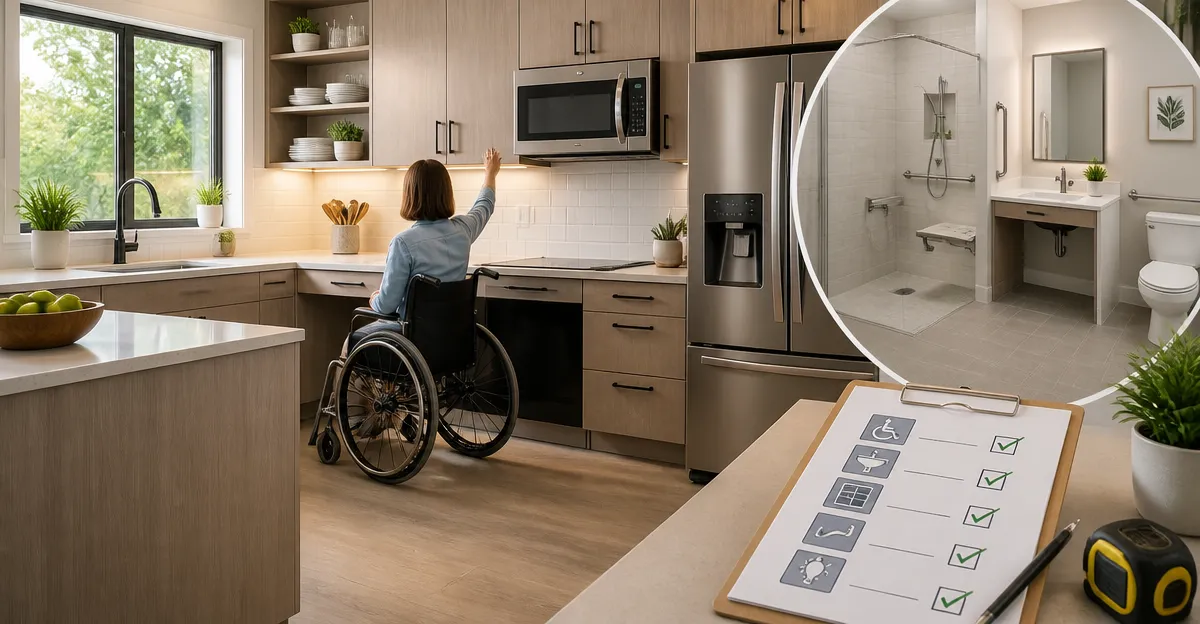
Accessible Kitchen Checklist for Airbnb Hosts: The Ultimate ADA‑Friendly Guide to an Inclusive Rental
Introduction
Airbnb hosts who prioritize accessibility attract a broader range of guests and demonstrate a commitment to inclusive hospitality. This guide explains the essential elements of an ADA‑friendly kitchen and related spaces, offering actionable recommendations and product suggestions. Readers will learn how to evaluate layout, select appropriate appliances, and incorporate safety features that meet legal standards. By the end of this article, hosts will possess a clear roadmap for transforming their rental into a welcoming environment for guests with mobility challenges.
The checklist is organized into logical sections, each addressing a specific aspect of accessibility. Real‑world examples illustrate how small adjustments can produce significant improvements. Throughout the guide, product recommendations are included to streamline the implementation process.
Background and Context
The Americans with Disabilities Act (ADA) establishes design standards that promote independent living for individuals with disabilities. While the ADA primarily applies to public accommodations, many hosts choose to exceed these requirements to enhance guest experience. Understanding key concepts such as clear floor space, reach ranges, and operable controls is fundamental to creating an inclusive kitchen.
Accessibility does not imply a loss of aesthetic appeal; rather, thoughtful design integrates function and style. Hosts should consider both the physical constraints of their property and the expectations of diverse travelers. By aligning with universal design principles, hosts can future‑proof their rentals against evolving guest needs.
Kitchen Layout and Traffic Flow
A well‑planned layout provides sufficient maneuvering space for wheelchair users and individuals using mobility aids. Aim for a minimum clear floor space of 30 inches by 48 inches at each work area, allowing a 180‑degree turn radius. Countertops should be no higher than 36 inches, and a portion of the work surface should be lowered to 34 inches to accommodate seated users.
Strategic placement of appliances reduces the need for excessive reaching. Consider a side‑by‑side arrangement of the refrigerator and stove to create a linear workflow. Open‑plan kitchens benefit from unobstructed pathways, which can be achieved by removing unnecessary islands or ensuring they have at least 42 inches of clearance on all sides.
Accessible Appliances and Fixtures
Appliances must feature controls that are operable with one hand and do not require tight grasping. Front‑loading washing machines, pull‑down faucets, and touch‑activated ovens meet these criteria. When selecting a dishwasher, choose models with a low‑profile handle positioned at a reachable height.
Lighting controls should be placed at a maximum height of 48 inches, and lever‑type switches are preferable to rotary knobs. Under‑cabinet lighting improves visibility for guests with low vision, while motion‑sensor lights reduce the need for manual operation during nighttime arrivals.
Safety Features and Emergency Equipment
Fire safety remains paramount in any rental property. Install smoke detectors on the ceiling at least 10 feet away from cooking appliances to avoid false alarms. Ensure that fire extinguishers are mounted at a height of 3.5 to 5 feet, within easy reach of all guests.
Non‑slip flooring materials such as textured vinyl or rubberized tiles reduce the risk of falls. Edge guards on countertops provide additional protection for individuals with limited balance. Clearly labeled emergency exits, illuminated with photoluminescent signage, guide guests safely during power outages.
Inclusive Bathroom Additions
While the primary focus of this guide is the kitchen, a fully accessible rental must also address bathroom safety. Installing a sturdy grab bar offers essential support for guests when entering or exiting the shower or bathtub. The Moen 36-Inch Grab Bar provides a reliable handhold, supporting up to 500 pounds and featuring a peened texture for enhanced grip.
This grab bar is constructed from corrosion‑resistant stainless steel and includes concealed screws for a sleek appearance. The SecureMount design permits installation with or without studs, granting flexibility for various wall constructions. Backed by Moen’s limited lifetime warranty, the product offers durability and peace of mind for both hosts and guests.
Comparison and Selection Guide
When choosing accessibility accessories, consider the following criteria: load capacity, installation method, finish, and warranty coverage. The table below compares the Moen 36‑Inch Grab Bar with two generic alternatives commonly found on the market.
| Feature | Moen 36‑Inch Grab Bar | Generic Steel Bar | Plastic Reinforced Bar |
|---|---|---|---|
| Load Capacity | 500 lb (ADA exceeds) | 250 lb | 300 lb |
| Installation | SecureMount (stud or stud‑less) | Stud‑only | Stud‑only |
| Finish | Brushed stainless steel, concealed screws | Polished chrome, visible screws | Matte white, visible screws |
| Warranty | Limited lifetime | 1 year | 6 months |
| Price (USD) | $26.90 | $15.00 | $18.50 |
| Customer Rating | 4.8 / 5 (2,793 reviews) | 3.9 / 5 (112 reviews) | 4.2 / 5 (87 reviews) |
Based on load capacity, warranty, and aesthetic integration, the Moen option stands out as the most reliable choice for Airbnb hosts seeking long‑term value. Although the initial cost is higher, the extended warranty and superior finish reduce replacement frequency.
Best Practices & Tips
- Conduct a walk‑through with a mobility aid to identify potential obstacles before guests arrive.
- Label all controls and switches with tactile symbols to aid guests with visual impairments.
- Provide a printed accessibility guide in the rental handbook, detailing the location of grab bars, lever handles, and emergency equipment.
- Maintain clear communication with guests regarding any additional assistive devices they may require during their stay.
- Regularly inspect installed accessories, such as grab bars, to ensure they remain securely fastened.
Frequently Asked Questions
1. Do I need to obtain a formal ADA inspection for my Airbnb?
While a formal inspection is not mandatory for private short‑term rentals, adhering to ADA guidelines demonstrates a commitment to accessibility and can reduce liability.
2. How much clearance is required around a kitchen island for wheelchair users?
A minimum of 42 inches of clearance on all sides of the island allows a wheelchair to navigate comfortably.
3. Can I install a grab bar myself, or should I hire a professional?
The Moen 36‑Inch Grab Bar features a SecureMount system that can be installed by a competent DIYer, provided that the wall material is suitable for the chosen mounting method.
4. What type of countertop material is most suitable for accessibility?
Solid surface or quartz countertops with rounded edges reduce the risk of injury and provide a smooth, easy‑to‑clean surface.
5. Are there tax incentives for making my rental property more accessible?
In many jurisdictions, hosts may qualify for tax credits or deductions when they invest in accessibility upgrades; it is advisable to consult a tax professional for specific guidance.
6. How can I communicate the accessibility features to potential guests?
Include a dedicated “Accessibility” section in your Airbnb listing, highlighting each feature with clear photos and concise descriptions.
7. What maintenance schedule should I follow for accessibility equipment?
Inspect grab bars, lever handles, and non‑slip flooring quarterly, tightening any loose hardware and replacing worn components promptly.
Conclusion
Creating an ADA‑friendly kitchen and bathroom enhances the overall appeal of an Airbnb rental and reflects a host’s dedication to inclusive hospitality. By following the checklist, selecting reliable products such as the Moen 36‑Inch Grab Bar, and implementing best‑practice maintenance, hosts can provide a safe and comfortable environment for all guests. The investment in accessibility not only broadens the market reach but also fosters positive reviews and repeat bookings.
Products Featured in This Guide
Moen 36-Inch Grab Bar
Price: $26.90
Rating: 4.8/5.0 (2,793 reviews)
Why it is featured: This stainless‑steel grab bar offers a 500‑lb load capacity, concealed screws for a clean look, and a SecureMount system that accommodates both stud and stud‑less installations, making it an ideal safety upgrade for accessible bathrooms in Airbnb rentals.