Introduction
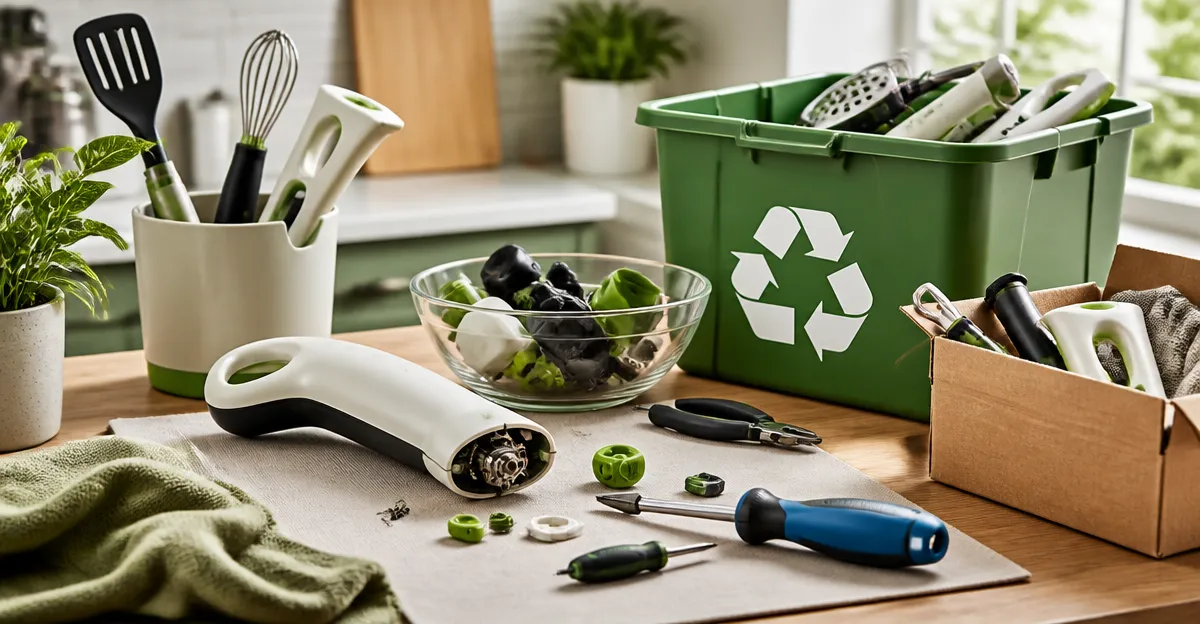
The modern kitchen increasingly relies on adaptive tools that simplify food preparation for diverse users. This guide explains how to repair, upcycle, and responsibly donate such products, extending their lifespan and reducing waste. Readers will learn practical repair techniques, criteria for selecting durable replacements, and ways to contribute to community kitchens. By the end of the article, one will possess a comprehensive framework for sustainable kitchen tool management.
Background and Context
Adaptive kitchen tools are designed to accommodate physical limitations, time constraints, or specific culinary needs. They often incorporate ergonomic handles, easy‑release mechanisms, and multifunctional designs that reduce repetitive motions. Understanding the construction of these tools—such as stainless‑steel blades, silicone joints, and battery‑powered motors—facilitates effective maintenance. Moreover, many manufacturers provide replacement parts, but users frequently overlook simple fixes that can restore full functionality.
Repair Strategies for Common Adaptive Tools
Effective repair begins with a systematic inspection. Identify worn components, loose fasteners, or electrical faults before disassembly. The following subsections outline repair steps for three representative products.
1. Fullstar 4-in-1 Vegetable Chopper & Spiralizer
The Fullstar 4-in-1 Vegetable Chopper & Spiralizer combines a dicer, slicer, and spiralizer in a compact frame. Its 420 stainless‑steel blades retain sharpness but may become dull after extensive use. To restore cutting performance, remove the blade assembly, soak it in warm, soapy water, and gently scrub with a soft brush. If the blade remains dull, replace it using the manufacturer’s replacement kit, which is sold separately.
Another frequent issue involves the non‑skid rubber base losing adhesion. Clean the base with a mild detergent, dry thoroughly, and apply a thin layer of silicone adhesive to re‑establish grip. The soft‑grip TPU handle can develop cracks; a simple epoxy resin repair restores structural integrity without compromising ergonomics. Finally, the built‑in catch tray may warp over time; a heat‑resistant silicone mat can serve as a durable, dishwasher‑safe replacement.
2. MECHEER Roll‑Up Over‑Sink Drying Rack
The MECHEER Roll‑Up Over‑Sink Drying Rack features a stainless‑steel frame and silicone joints that enable folding for storage. If the silicone folds crack, replace the silicone strips using a food‑grade silicone sealant, ensuring the rack remains heat‑resistant up to 400°F. For rust spots on the 304 stainless‑steel pipes, apply a stainless‑steel cleaner and a light abrasive pad, then rinse and dry completely to prevent further corrosion.
Loose connections between the pipes can cause instability. Tighten the silicone connectors by gently pressing them together, or use a small silicone‑based adhesive to secure them. When the rack loses its ability to support weight, verify the load capacity (33 lb) has not been exceeded; distribute dishes evenly to maintain balance. Regular cleaning on the top rack of a dishwasher preserves the silicone’s anti‑slip properties.
3. ioion Electric Salt & Pepper Grinder Set
The ioion Electric Salt & Pepper Grinder Set utilizes a 4‑AAA battery pack and ceramic grinding blades. Battery corrosion is a common failure mode; remove the batteries, clean the contacts with a cotton swab dipped in isopropyl alcohol, and allow to dry before reinserting fresh cells. If the LED illumination flickers, inspect the wiring for loose connections and re‑solder if necessary.
Ceramic blades can chip under excessive torque. Replace the blades by unscrewing the grinding chamber, removing the damaged piece, and inserting a new ceramic insert from the manufacturer’s spare‑parts kit. The transparent 360° container may develop cloudiness; a mixture of warm water and mild dish soap, followed by thorough drying, restores clarity. Regular maintenance of the grinding mechanism prevents clogging and extends the device’s lifespan.
Comparison and Selection Guide
When choosing adaptive kitchen tools, consider durability, ease of repair, and multifunctionality. The table below compares the three featured products across key criteria.
| Feature | Fullstar Chopper | MECHEER Drying Rack | ioion Grinder Set |
|---|---|---|---|
| Primary Function | Vegetable dicing, slicing, spiralizing | Over‑sink dish drying and multi‑purpose mat | Electric seasoning with LED |
| Material Quality | 420 stainless‑steel blades, BPA‑free TPU | 304 stainless‑steel frame, food‑grade silicone | Ceramic blades, BPA‑free silicone housing |
| Repair Simplicity | Blade sharpening, handle epoxy | Silicone strip replacement, pipe cleaning | Battery contact cleaning, blade swap |
| User Rating | 4.5/5 (128,341 reviews) | 4.6/5 (11,359 reviews) | 4.4/5 (7,675 reviews) |
| Price (USD) | $23.73 | $6.99 | $21.99 |
| Weight Capacity | 5‑cup volume | 33 lb | Not applicable |
For users prioritizing multifunctionality, the Fullstar Chopper offers the greatest versatility but requires periodic blade maintenance. The MECHEER Rack excels in space‑saving design and is the easiest to clean, making it ideal for small kitchens. The ioion Grinder Set provides electronic convenience; its replaceable ceramic blades and LED light add value for seasoned cooks who season frequently.
Best Practices & Tips
- Maintain a regular cleaning schedule; food residue accelerates wear on moving parts.
- Store tools in a dry environment to prevent corrosion, especially for stainless‑steel components.
- Keep a small repair kit that includes silicone adhesive, epoxy resin, a soft brush, and spare batteries.
- Document any modifications with photos; this aids future repairs and informs donation recipients.
- When donating, include a brief instruction sheet outlining basic maintenance steps.
Adopting these habits reduces the frequency of replacements and supports a circular economy. Communities that establish tool‑sharing programs benefit from extended product lifespans and lower overall costs.
Frequently Asked Questions
- Can I replace the blades on the Fullstar Chopper myself? Yes; the blade assembly is secured with a simple twist‑lock mechanism, allowing users to remove, clean, or replace the blades using manufacturer‑approved parts.
- Is the MECHEER Rack dishwasher safe? Only the silicone surface is safe on the top rack; the stainless‑steel frame should be hand‑washed to preserve its finish.
- How long do the batteries last in the ioion Grinder Set? With typical daily use, four AAA batteries provide approximately three months of operation before performance diminishes.
- What is the best way to sanitize adaptive tools for donation? Disassemble removable components, soak in a solution of one tablespoon of bleach per gallon of water for five minutes, rinse thoroughly, and air dry.
- Are there tax deductions for donating kitchen tools? In many jurisdictions, donations to registered charitable organizations qualify for tax deductions; consult a tax professional for specific guidance.
Conclusion
Repairing, upcycling, and donating adaptive kitchen products represent practical steps toward environmental stewardship and inclusive cooking. By applying the outlined repair methods, selecting tools based on durability, and following best‑practice maintenance, users can extend product lifespans and support community kitchens. The featured products illustrate how thoughtful design, combined with proper care, reduces waste while enhancing culinary accessibility.
Products Featured in This Guide
Fullstar 4-in-1 Vegetable Chopper & Spiralizer
Price: $23.73 | Rating: 4.5/5 (128,341 reviews)
Featured for its multifunctional design, stainless‑steel blades, and high user satisfaction, making it a prime candidate for repair and upcycling.
MECHEER Roll‑Up Over‑Sink Drying Rack
Price: $6.99 | Rating: 4.6/5 (11,359 reviews)
Featured for its space‑saving roll‑up design, stainless‑steel construction, and versatile uses beyond dish drying.
ioion Electric Salt & Pepper Grinder Set
Price: $21.99 | Rating: 4.4/5 (7,675 reviews)
Featured for its adjustable grinding levels, LED illumination, and durable ceramic blades, offering a modern solution for precise seasoning.