Introduction
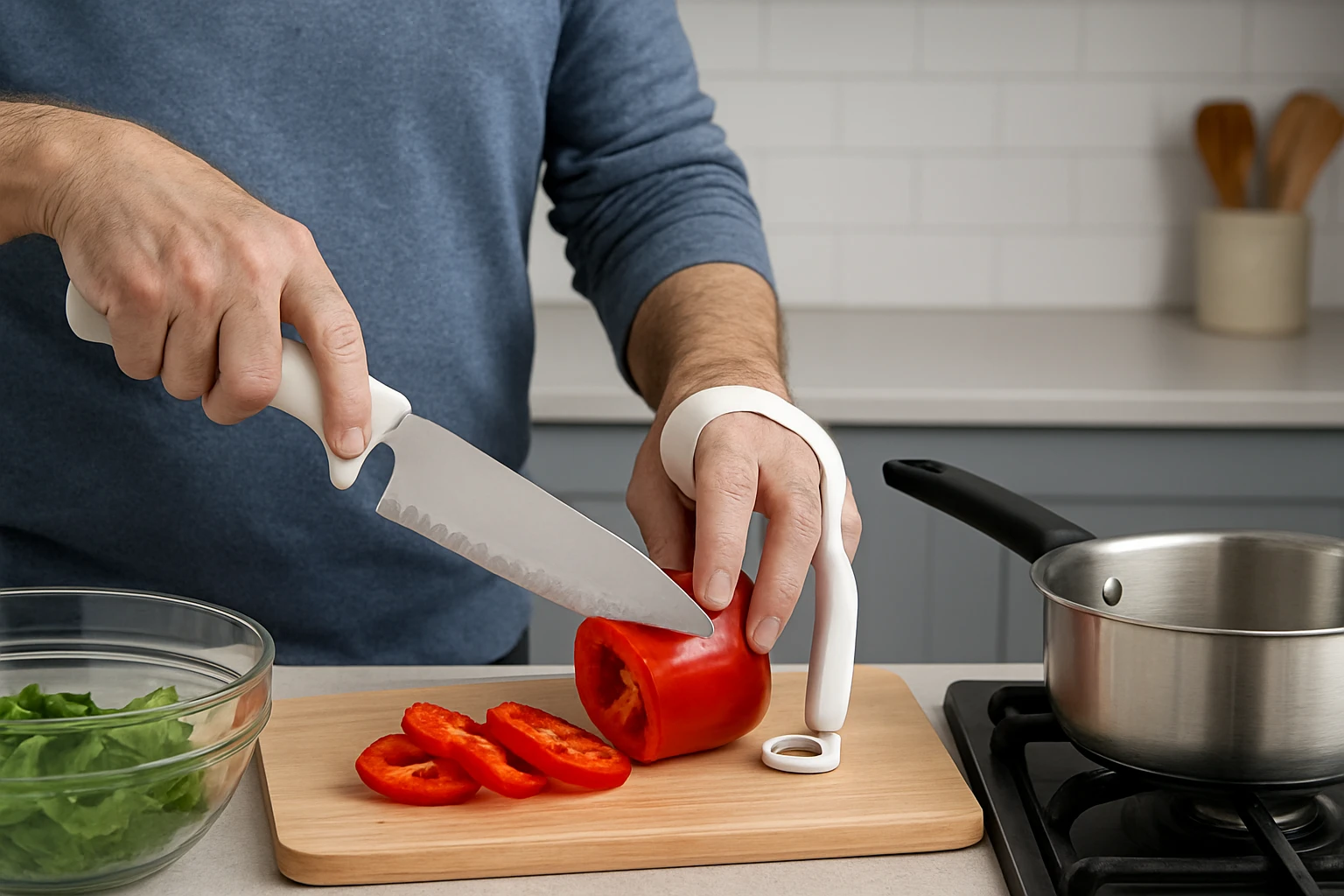
Essential tremor can make everyday cooking tasks feel overwhelming. This guide explains how adaptive kitchen tools, safety strategies, and simple techniques can restore confidence and independence in the kitchen. Readers will learn about the physiological basis of tremor, practical modifications for common tasks, and product recommendations that have proven effective for many users. By the end of the article, one will possess a clear plan for creating a safer, more enjoyable cooking environment.
Background and Context
Essential tremor is a neurological condition characterized by involuntary rhythmic shaking, most often affecting the hands. The tremor amplitude can increase during fine motor activities such as chopping, stirring, or gripping utensils. While medication can reduce symptoms, environmental adaptations often provide immediate relief. Understanding the mechanics of tremor enables the selection of tools that increase stability, reduce required grip strength, and minimize the need for rapid, precise movements.
Key concepts include:
- Leverage: Devices that extend the hand’s natural leverage reduce the force required to lift heavy items.
- Weighted Design: Adding mass to utensils can dampen shaking, allowing smoother motions.
- Ergonomic Grip: Enlarged, non‑slip handles improve control for users with reduced dexterity.
These principles form the foundation for the product recommendations that follow.
Adaptive Utensils for Eating
Eating independently is a cornerstone of daily autonomy. Traditional silverware often slips from the hand of someone with tremor, leading to frustration and potential spills. The Nourislif Adaptive Utensil Set addresses these challenges with a built‑up, contoured handle that provides a stable grip. Each piece weighs approximately 2.5 oz, offering a subtle counterbalance without excessive heaviness.
Key features include rust‑proof stainless steel construction, dishwasher safety, and a one‑year guarantee. The set contains a tablespoon, teaspoon, fork, and knife, allowing a complete dining experience. Customer reviews highlight a 4.6‑star rating from over 1,200 users, many of whom praise the set for enabling self‑feeding for elderly relatives with Parkinson’s disease or arthritis.
When selecting adaptive cutlery, consider the following criteria:
- Handle diameter – larger handles accommodate reduced grip strength.
- Weight – a modest increase can dampen tremor without causing fatigue.
- Material durability – stainless steel resists corrosion and maintains hygiene.
Leveraged Pan Handles
Heavy cookware such as cast‑iron skillets can strain the wrist and exacerbate tremor. The Pan Buddy Handle Support creates a vertical lever that transfers weight from the wrist to the forearm, reducing joint stress. Its universal design fits handles up to two inches in diameter, making it compatible with most pans.
The device consists of a wrist support and a screw‑tightened vertical handle, allowing quick installation and removal. By keeping the hand in a neutral position, the Pan Buddy minimizes the amplitude of tremor during lifting and pouring. Reviewers rate the product 4.1 stars from 351 reviews, noting its usefulness for stroke survivors and individuals with arthritis.
Important selection factors are:
- Heat resistance – the handle stays cool, eliminating the need for oven mitts.
- Adjustability – a secure screw mechanism ensures a tight connection.
- Portability – the compact design stores easily when not in use.
Manual Food Choppers
Chopping vegetables manually often requires repetitive wrist motions that can worsen tremor. The Cambom Manual Food Chopper employs a pull‑cord mechanism that rotates three stainless‑steel blades within a sturdy ABS lid. Users control the coarseness of the cut by the number of pulls, reducing the need for fine motor control.
At a price of $7.99, the 500 ml capacity chopper offers excellent value. It is dishwasher‑safe, features an anti‑slip rubber base, and has earned a 4.5‑star rating from over 9,000 reviewers. Many customers report using the device for both food preparation and pet food chopping, demonstrating its versatility.
When evaluating manual choppers, keep the following in mind:
- Blade safety – sealed blades prevent accidental cuts.
- Capacity – choose a size that matches typical meal‑prep volumes.
- Cleaning ease – dishwasher‑safe components reduce post‑cooking effort.
One‑Handed Jar and Bottle Openers
Opening jars, bottles, and containers can be a major obstacle for individuals with limited hand strength. The Cook‑Helper Adaptive Tool Set provides three sticky mats that secure containers to any surface, allowing a single‑hand twist or pull. The mats are made of durable polyurethane and are washable, ensuring long‑term performance.
With a 4.5‑star rating from 202 reviews, users commend the mats for their simplicity and reliability. The set includes three pieces, making it easy to place one in the kitchen, one in the garage, and one for travel. Although the adhesive may lose grip on frozen lids, the overall utility for everyday cooking is high.
Key considerations include:
- Adhesive strength – ensure the mat adheres to the chosen surface.
- Size compatibility – the mat works with a wide range of jar diameters.
- Maintenance – regular washing restores stickiness.
Weighted Silverware for Tremor Reduction
Weighted utensils add mass to the hand, helping to dampen involuntary shaking. The Special Supplies Weighted Silverware Set includes a fork, knife, dinner spoon, and soup spoon, each featuring a wide, non‑slip grip and a stainless‑steel body. The set is available in black, gold, or gray, allowing coordination with kitchen décor.
Priced at $34.99, the set receives a 4.5‑star rating from 1,085 reviewers. Customers emphasize the reduction in spill incidents and increased confidence when dining out. The added weight is sufficient to stabilize the hand without causing fatigue.
When choosing weighted silverware, assess:
- Weight distribution – a balanced feel promotes natural movement.
- Handle width – wider handles reduce the need for precise grip.
- Material safety – food‑grade stainless steel ensures hygiene.
Comparison and Selection Guide
To assist readers in selecting the most appropriate tools, the following matrix compares the five products across essential criteria.
| Product | Primary Benefit | Key Feature | Price | Rating |
|---|---|---|---|---|
| Nourislif Adaptive Utensil Set | Improved grip for eating | Built‑up, contoured handles | $9.99 | 4.6/5 |
| Pan Buddy Handle Support | Leverage for heavy pans | Vertical handle with wrist support | $19.99 | 4.1/5 |
| Cambom Manual Food Chopper | Efficient chopping without knives | Pull‑cord blade system | $7.99 | 4.5/5 |
| Cook‑Helper Adaptive Tool Set | One‑handed jar opening | Sticky polyurethane mats | $9.99 | 4.5/5 |
| Special Supplies Weighted Silverware | Reduced tremor during meals | Weighted, wide‑grip design | $34.99 | 4.5/5 |
Readers should match the primary benefit to their most frequent kitchen challenge. For example, if lifting heavy cookware is the main difficulty, the Pan Buddy provides the greatest leverage advantage. If self‑feeding is the priority, the Nourislif or Special Supplies sets are more suitable.
Best Practices and Safety Tips
Adaptive tools are most effective when combined with safe cooking habits. The following recommendations complement the product usage:
- Organize the workspace: Keep frequently used items within arm’s reach to minimize unnecessary movements.
- Use stable cutting surfaces: A non‑slip mat or silicone pad prevents bowls and boards from shifting.
- Employ “pause and plan” technique: Before each step, pause to assess the required motion and select the appropriate adaptive tool.
- Maintain proper lighting: Adequate illumination reduces the need for precise hand positioning.
- Practice gradual strength building: Light resistance exercises can improve grip over time, enhancing the effectiveness of ergonomic tools.
In addition, always verify that appliances are turned off before adjusting handles or attachments. When using weighted utensils, test the weight with a light food item before attempting a full‑portion meal.
Frequently Asked Questions
1. Will adaptive utensils work for both left‑ and right‑handed users? Yes, most products described have symmetrical designs that accommodate either hand.
2. Are the weighted silverware sets safe for dishwasher use? The Special Supplies set is explicitly dishwasher‑safe, and the stainless‑steel construction resists corrosion.
3. Can the Pan Buddy be used on glass‑top stoves? The handle remains separate from the pan’s original handle, so heat transfer is minimal; however, users should verify that the pan’s base is compatible with the stove surface.
4. How often should the sticky mats from the Cook‑Helper set be cleaned? Rinse the mats with warm water after each use and allow them to air‑dry; this restores adhesive strength.
5. Is the Cambom Chopper suitable for hard vegetables like carrots? The device works best with softer produce; very hard items may strain the cord mechanism.
6. Do any of these products require assembly? The Pan Buddy and Cook‑Helper mats require minimal assembly—typically a screw‑tightening step or placement of the mat on a surface.
7. What warranty coverage is offered? The Nourislif Adaptive Utensil Set includes a one‑year guarantee; other manufacturers provide standard manufacturer warranties.
Conclusion
Essential tremor need not dictate the quality of one’s culinary experience. By understanding the underlying mechanics of tremor and employing ergonomic tools such as adaptive utensils, leveraged pan handles, manual choppers, one‑handed jar openers, and weighted silverware, individuals can regain confidence and independence in the kitchen. Combining these tools with organized workspaces, proper lighting, and safe cooking practices creates a comprehensive strategy for managing tremor while preparing nutritious meals.
Products Featured in This Guide
Nourislif Adaptive Utensil Set
Price: $9.99 | Rating: 4.6/5 (1,243 reviews)
Featured for its enlarged, non‑slip handles that provide stability for users with hand tremors, making self‑feeding easier.
Pan Buddy Handle Support
Price: $19.99 | Rating: 4.1/5 (351 reviews)
Featured for its vertical lever design that reduces wrist strain and facilitates safe handling of heavy cookware.
Cambom Manual Food Chopper
Price: $7.99 | Rating: 4.5/5 (9,486 reviews)
Featured for its pull‑cord blade system that allows quick, controlled chopping without the need for a traditional knife.
Cook-Helper Adaptive Tool Set
Price: $9.99 | Rating: 4.5/5 (202 reviews)
Featured for its sticky polyurethane mats that secure jars and bottles, enabling one‑handed opening and stable mixing.
Special Supplies Weighted Silverware
Price: $34.99 | Rating: 4.5/5 (1,085 reviews)
Featured for its weighted, wide‑grip design that dampens tremor during meals, improving control and reducing spills.