How to Label Your Pantry with Scent and Texture to Support Someone with Dementia — Step‑by‑Step Guide for Caregivers
Introduction
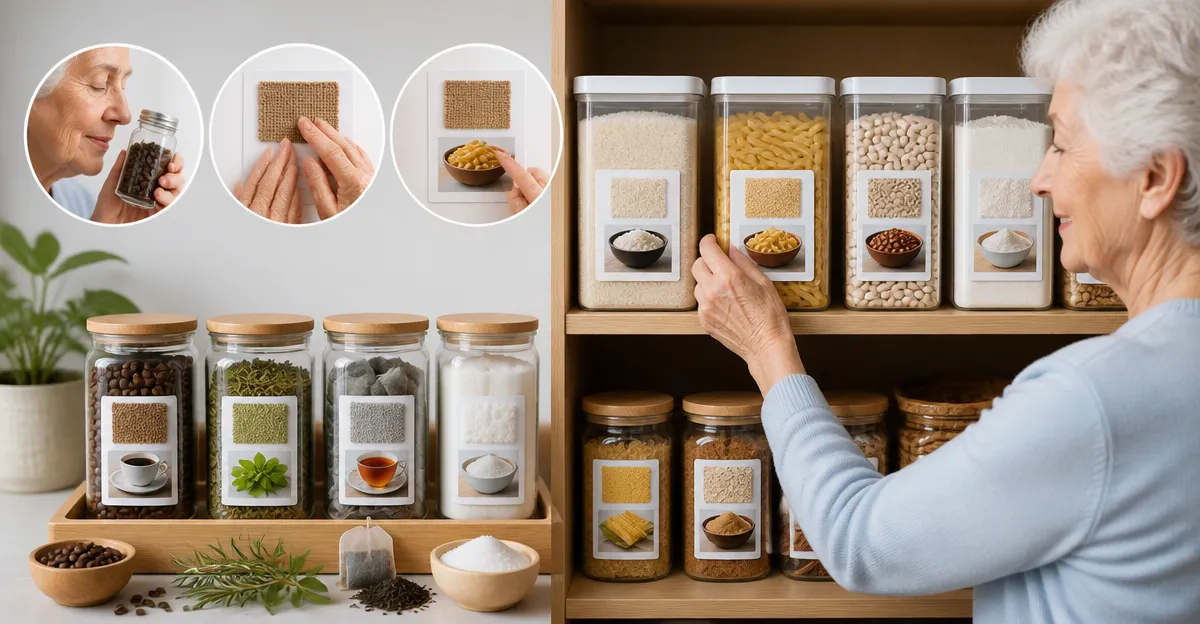
Caregivers often face the challenge of keeping a pantry organized in a way that supports memory loss and confusion associated with dementia. This guide explains how to use scent, texture, and visual cues to create a labeling system that reduces anxiety and promotes independence. Readers will learn practical steps, from assessing the space to applying reusable labels, and will understand why each recommended tool enhances safety. By the end, caregivers will have a clear, actionable plan that can be implemented with minimal cost.
What You'll Need
- Reusable chalkboard or dry‑erase labels (see product recommendations below)
- Liquid chalk markers or dry‑erase markers
- Essential oils or scented sachets
- Non‑slip grip pads or small fabric pieces for texture
- Scissors, ruler, and a permanent‑marker pen for customization
- Printed inventory list for reference
All of the labeling tools mentioned are available on Amazon and are selected for durability, ease of use, and high caregiver ratings.
Step 1: Assess the Pantry Layout and Identify High‑Risk Items
The first step is to walk through the pantry and note the location of frequently used items such as cereals, canned goods, and snacks. Record which shelves are at eye level for the individual with dementia, because those are the most likely to be accessed without assistance. Identify any items that could pose a choking hazard or contain allergens, and plan to place them on higher or lower shelves out of immediate reach. This assessment creates a mental map that will guide where each label type is applied.
Step 2: Choose a Labeling System That Matches Sensory Needs
For individuals with dementia, visual clarity alone is insufficient; combining scent and texture reinforces recognition. Chalkboard labels allow caregivers to write clear, large text that can be erased and updated as inventory changes. Dry‑erase metal clips provide a sturdy surface that can be wiped clean while offering a tactile grip. Selecting both types ensures flexibility: chalkboard labels for jars and containers, metal clip labels for larger bins.
For jar and container labeling, the JIEHENG Chalkboard Labels are ideal. The set includes 180 reusable stickers and a liquid chalk marker, priced at $7.99 with a 4.6‑star rating from 188 reviews. Their waterproof adhesive and 0.2‑inch line width enable precise, legible writing that remains visible even in a humid pantry.
For larger storage bins, the Metal Bin Clip Labels provide a durable dry‑erase surface. Priced at $22.00 and rated 4.7 stars from 111 reviews, these clips include non‑slip pads and a dry‑erase marker, allowing caregivers to update contents without removing the label.
Step 3: Prepare Labels with Scent and Texture
Begin by writing the item name in large, high‑contrast letters on each chalkboard label. Use the included liquid chalk marker for a bold black script that is easy to read from a distance. For each label, add a small dab of a complementary essential oil—such as lemon for tea, cinnamon for baked goods, or rosemary for herbs—by placing a scented cotton wick behind the label. The scent acts as an olfactory cue that triggers memory.
Next, attach a textured element to the label. A piece of felt, a rubber band, or a non‑slip pad can be glued to the corner of the chalkboard sticker. This tactile addition helps the individual feel the difference between, for example, a cereal jar and a snack container. For metal clip labels, the built‑in non‑slip pads already provide a subtle texture, but adding a small fabric tag with the same scent reinforces the cue.
When using the Kuocodall Pantry Labels, caregivers can rely on pre‑printed text for common items, saving time. These labels cost $8.09, carry a 4.8‑star rating from 538 reviews, and include 183 pre‑printed items, nine blank labels for customization, and 96 expiration‑date stickers. Pair each pre‑printed label with a scented sachet placed nearby to maintain the sensory theme.
Step 4: Apply Labels Strategically Across the Pantry
Start with the most frequently accessed shelves. Peel the backing from each chalkboard label and firmly press it onto the jar or container, ensuring the adhesive adheres to a clean, dry surface. Position the label at eye level so the individual does not need to bend or stretch to read it. For bins, slide the metal clip onto the top edge of the basket, then write the contents using the dry‑erase marker.
After labeling, place a small scented sachet inside the container or attach it to the lid. For example, a citrus‑scented sachet inside a jar of tea provides both visual and olfactory reinforcement. Ensure the scent is not overpowering, as strong fragrances can be disorienting for some individuals.
Finally, test the system by asking the person with dementia to locate a specific item. Observe whether the combination of text, scent, and texture guides them correctly. Adjust label placement or scent intensity based on the response.
Step 5: Reinforce with Visual Cues and Routine
Supplement the labeling system with color‑coded baskets or shelf liners. For instance, use a blue liner for dairy products and a green liner for vegetables. This visual segmentation reduces the cognitive load required to locate items. Additionally, incorporate a daily pantry check routine where caregivers verify that labels remain intact and scents are refreshed.
Maintain a printed inventory list on the pantry door, using large fonts and simple icons. The list should mirror the labeling order, allowing the caregiver to quickly reference where each item resides. Over time, the person with dementia will associate the scent and texture cues with the visual list, strengthening memory pathways.
Tips & Pro Tips
- Refresh scented sachets every two weeks to prevent scent fatigue.
- Use only one scent per food category to avoid confusion; consistency is key.
- When writing on chalkboard labels, use all caps and a simple sans‑serif font for maximum legibility.
- Test the adhesive on a small, inconspicuous area before applying to ensure it does not leave residue.
- Consider a weekly “label audit” where caregivers replace any worn or faded labels.
Troubleshooting
Labels are peeling off: Ensure the surface is clean and dry; lightly sand glossy surfaces before applying the adhesive.
Scent is too faint: Add an extra cotton wick with a few drops of essential oil, or use a larger sachet.
Dry‑erase marker smudges: Allow the ink to dry for at least 30 seconds before closing lids; use a low‑odor marker to reduce irritation.
Conclusion
This guide has presented a systematic approach to labeling a pantry using scent, texture, and clear visual cues, specifically designed for caregivers of individuals with dementia. By assessing the space, selecting appropriate reusable labels, adding sensory enhancements, and establishing a routine, caregivers can create an environment that promotes autonomy and safety. Implementing these steps will reduce frustration for both the caregiver and the person with dementia, fostering a more peaceful household.
Products Mentioned in This Guide
Frequently Asked Questions
Why are scent and texture important for dementia-friendly pantry labeling?
Scent and texture provide non‑visual cues that help people with memory loss locate items more easily and reduce confusion.
What type of labels work best for reusable pantry labeling?
Reusable chalkboard or dry‑erase labels are ideal because they can be updated, cleaned, and are cost‑effective.
How can I add a scent cue to a pantry label?
Attach a small scented sachet or dab a few drops of essential oil onto the label or nearby fabric for a consistent aroma.
What texture materials help differentiate pantry items?
Use non‑slip grip pads, fabric swatches, or rubberized stickers on the label to give a distinct tactile feel for each category.
How often should the pantry inventory be updated for dementia care?
Review and refresh the inventory and labels weekly or whenever items are added or removed to keep cues accurate.