Countertop Materials Easiest to Clean After Surgery: The Complete Guide to Hygienic, Low‑Maintenance Surfaces
Introduction
In medical facilities and home recovery rooms, the cleanliness of surfaces can influence patient outcomes. This guide explains which countertop materials provide the highest level of hygiene while requiring minimal maintenance. Readers will learn the scientific basis for material selection, compare leading products, and receive actionable cleaning protocols. The information is intended for healthcare administrators, interior designers, and homeowners who are preparing spaces for post‑surgical use.
Background and Context
After surgical procedures, the risk of infection rises dramatically when surfaces retain moisture or harbor bacteria. Materials that are non‑porous, resistant to chemicals, and easy to disinfect reduce this risk. Regulatory bodies such as the CDC and WHO recommend surfaces that can withstand frequent wiping with hospital‑grade disinfectants without degradation. Understanding these criteria enables informed decisions that align with both safety standards and budget constraints.
Key Concepts for Selecting Hygienic Countertops
Three core concepts guide the selection of low‑maintenance countertops for post‑surgery environments. First, surface porosity determines whether microorganisms can embed within the material; non‑porous surfaces such as solid‑surface resin or high‑pressure laminate prevent absorption. Second, chemical resistance ensures that aggressive disinfectants do not cause discoloration, warping, or loss of structural integrity. Third, ease of installation and adaptability allow the countertop to fit a variety of base configurations, which is essential for modular medical furniture.
Material Categories: Non‑Porous vs. Semi‑Porous Surfaces
Non‑porous materials, including quartz, solid‑surface acrylic, and high‑pressure laminates, provide a seamless barrier against microbial ingress. These surfaces can be cleaned with bleach‑based solutions, alcohol, or hydrogen peroxide without compromising the finish. Semi‑porous options such as sealed wood or bamboo offer a warm aesthetic but require regular sealing to maintain resistance to liquids. When selecting a semi‑porous surface, the user must commit to a maintenance schedule that includes periodic resealing.
Top Low‑Maintenance Materials for Post‑Surgical Settings
The following sections highlight two products that exemplify the principles described above. Both items combine durability, chemical resistance, and design flexibility, making them suitable for clinical and home recovery spaces.
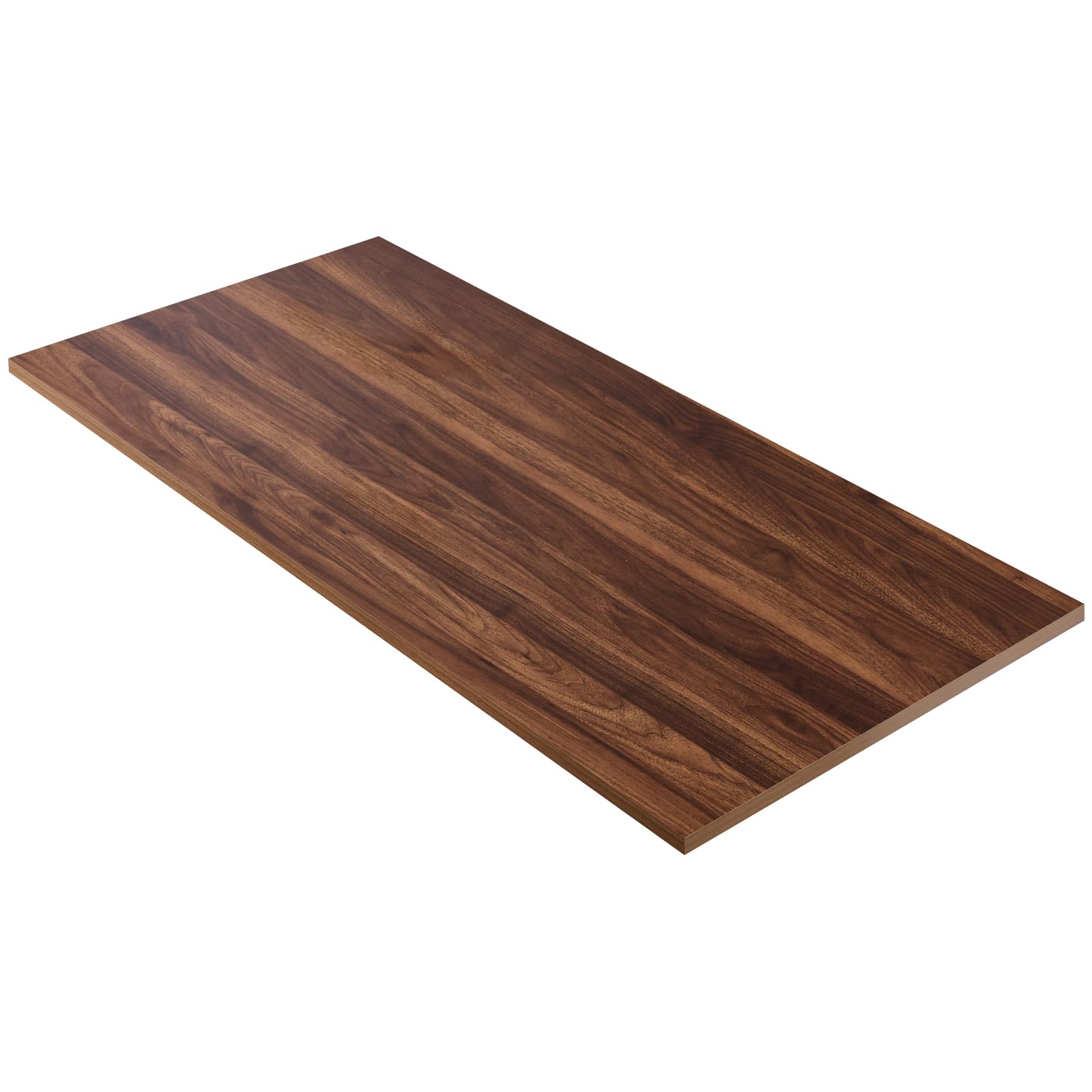
1. Kaboon Walnut Desktop
The Kaboon Walnut Desktop is a 48x18 inch solid‑one‑piece tabletop crafted from high‑pressure decorative laminate over a P2‑grade CARB board. Its 1‑inch thickness provides structural rigidity, while the laminate surface resists heat, moisture, and chemical agents commonly used in hospital cleaning protocols. The product carries a 4.3‑star rating from 397 reviews, indicating reliable performance in diverse settings. At a price of $94.99, it offers an economical entry point for facilities seeking a balance between aesthetics and sanitation.
Key attributes include:
- Wide application: compatible with metal legs, wooden frames, or height‑adjustable desk bases, allowing rapid reconfiguration.
- Elegant appearance: wood‑grain or marble‑like textures that complement sterile environments without appearing clinical.
- Compatibility: double‑sided laminate construction enables use on either side, extending service life.
- High‑quality construction: CARB‑certified board ensures low volatile organic compound (VOC) emissions, supporting indoor air quality.
- Two‑year warranty and responsive customer service for peace of mind.
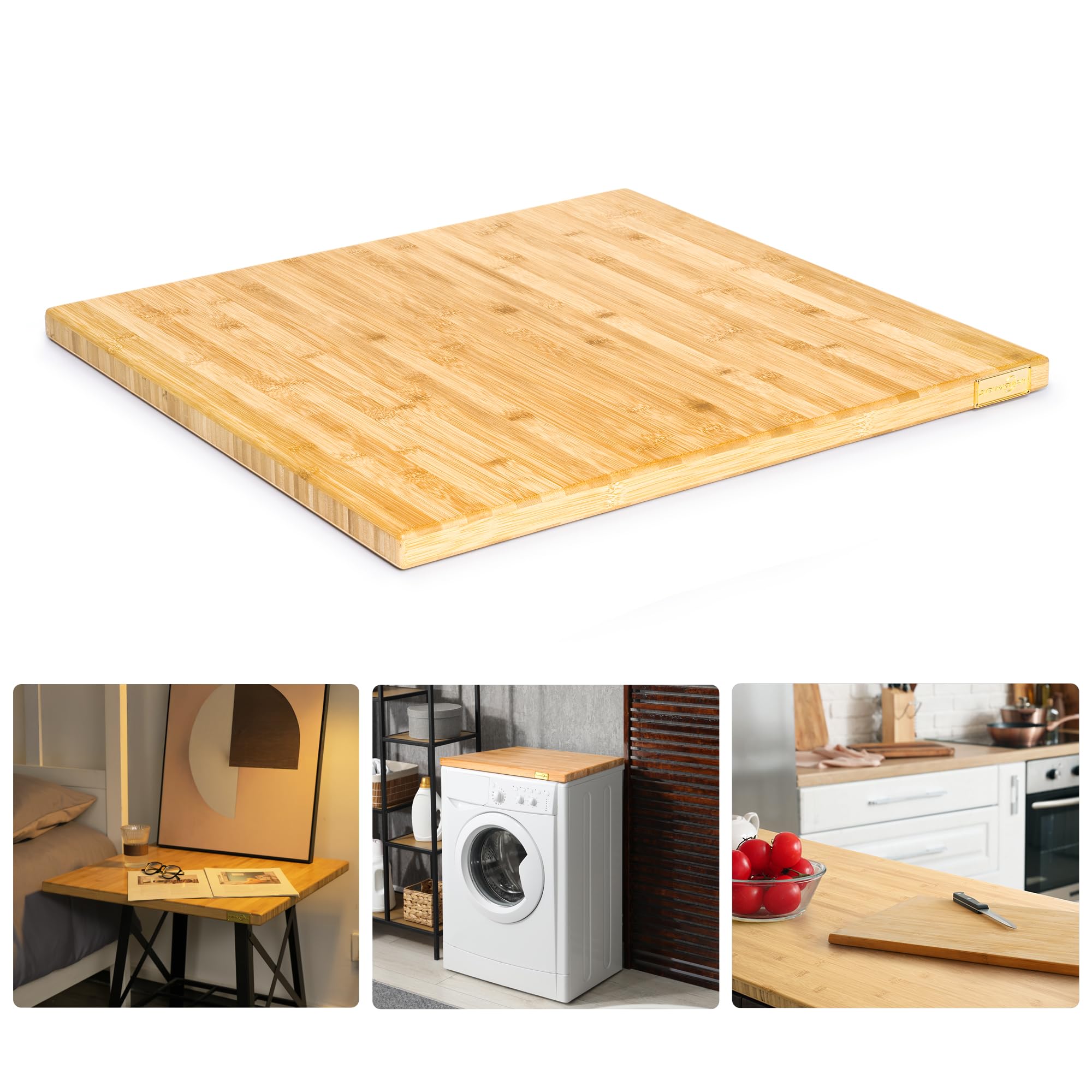
2. JubiNatural Bamboo Countertop
The JubiNatural Bamboo Countertop measures 24x25 inches with a 1.2‑inch thickness, providing a robust platform for cutting‑board‑style applications. Bamboo is naturally antimicrobial, and the product is treated to be moisture‑proof and anti‑corrosion, reducing the likelihood of bacterial growth. With a 4.7‑star rating from 121 reviews, users praise its durability and ease of cleaning. Priced at $99.99, it presents a premium yet affordable option for spaces that value natural aesthetics alongside hygienic performance.
Key attributes include:
- Moisture‑proof and anti‑corrosion construction that resists water penetration and staining.
- Flexible fit: can be trimmed to custom dimensions, allowing integration with irregular floor plans.
- Multiple size offerings (24", 30", 48", 60") for scalability across different rooms.
- Protective packaging that minimizes damage during shipping, ensuring the surface arrives pristine.
- Responsive after‑sale service and hassle‑free replacement policy.
Comparison and Selection Guide
| Criteria | Kaboon Walnut Desktop | JubiNatural Bamboo Countertop |
|---|---|---|
| Material Type | High‑pressure laminate over CARB board | Solid bamboo planks with moisture‑proof treatment |
| Surface Porosity | Non‑porous, fully sealed | Semi‑porous but treated to repel moisture |
| Chemical Resistance | Excellent; tolerates bleach and alcohol | Good; resistant to mild disinfectants, avoid prolonged exposure to harsh acids |
| Customization | Can be drilled post‑delivery; compatible with many bases | Can be trimmed to size before installation |
| Price (USD) | 94.99 | 99.99 |
| Average Rating | 4.3/5 (397 reviews) | 4.7/5 (121 reviews) |
| Warranty | 2 years | Standard manufacturer warranty (details on page) |
When the priority is absolute non‑porosity and the ability to withstand aggressive disinfectants, the Kaboon Walnut Desktop emerges as the optimal choice. For environments that value natural antimicrobial properties and a warm visual texture, the JubiNatural Bamboo Countertop provides a compelling alternative.
Best Practices & Tips for Maintaining Hygienic Countertops
- Adopt a cleaning schedule that includes at least two wipes per day with an EPA‑approved hospital disinfectant.
- Use soft, non‑abrasive cloths to avoid micro‑scratches that could harbor microbes.
- For laminate surfaces, avoid abrasive pads; for bamboo, apply a food‑grade mineral oil quarterly to maintain moisture resistance.
- Inspect seams and edges weekly; re‑seal or replace damaged sections promptly.
- Train staff and household members on proper wiping technique: apply disinfectant, allow recommended dwell time, then wipe dry.
Frequently Asked Questions
- Which countertop material is safest for a hospital recovery room?
- Non‑porous high‑pressure laminates such as the Kaboon Walnut Desktop provide the highest barrier against bacterial infiltration and tolerate the strongest disinfectants.
- Can bamboo countertops be used in sterile environments?
- Yes, when the bamboo is treated for moisture‑proofing and regularly maintained, it can meet the cleanliness standards of many outpatient clinics.
- How often should a laminate countertop be resealed?
- Laminate surfaces generally do not require resealing; however, any visible wear should be addressed by replacing the affected panel.
- Is it necessary to use a protective coating on bamboo? dd>Applying a thin coat of food‑grade mineral oil every three to six months enhances water resistance and prolongs the surface life.
- What is the recommended temperature range for these countertops?
- Both products perform well within typical indoor temperatures of 60°F to 80°F; extreme heat can cause warping in bamboo, while laminate may delaminate under prolonged high heat.
- Do these countertops emit volatile organic compounds?
- The Kaboon Walnut Desktop uses CARB‑certified board with low VOC emissions; bamboo naturally emits minimal VOCs, making both suitable for indoor air quality.
Conclusion
Choosing a countertop that balances hygiene, durability, and aesthetic appeal is essential for post‑surgical environments. Non‑porous laminates and treated bamboo both satisfy the rigorous cleaning protocols required to protect vulnerable patients. By applying the selection criteria, comparison data, and maintenance best practices outlined in this guide, decision‑makers can create safe, low‑maintenance spaces that support recovery and reduce infection risk.
Products Featured in This Guide
Kaboon Walnut Desktop
Price: $94.99
Rating: 4.3/5 (397 reviews)
Featured for its non‑porous high‑pressure laminate surface, chemical resistance, and flexible installation options, making it ideal for clinical cleaning regimes.
JubiNatural Bamboo Countertop
Price: $99.99
Rating: 4.7/5 (121 reviews)
Featured for its natural antimicrobial bamboo composition, moisture‑proof treatment, and customizable dimensions, offering a warm yet hygienic surface option.