
How to Create an Emergency Kitchen Evacuation Plan for People with Mobility Impairments
Introduction
Designing a kitchen evacuation plan for individuals with limited mobility requires careful assessment of hazards, clear pathways, and appropriate assistive tools. This guide will teach readers how to evaluate their kitchen layout, select suitable equipment, and rehearse procedures so that emergencies can be managed with confidence. The information presented is valuable because a well‑prepared plan reduces panic, prevents injuries, and saves lives during fires, power outages, or other crises. By following the steps below, one can create a comprehensive safety strategy that integrates both low‑cost modifications and specialized products.
What You’ll Need
- Portable assist handle such as the KOUNATSURI Car Handle Assist
- Adjustable standing aid rail like the Vive Stand Assist
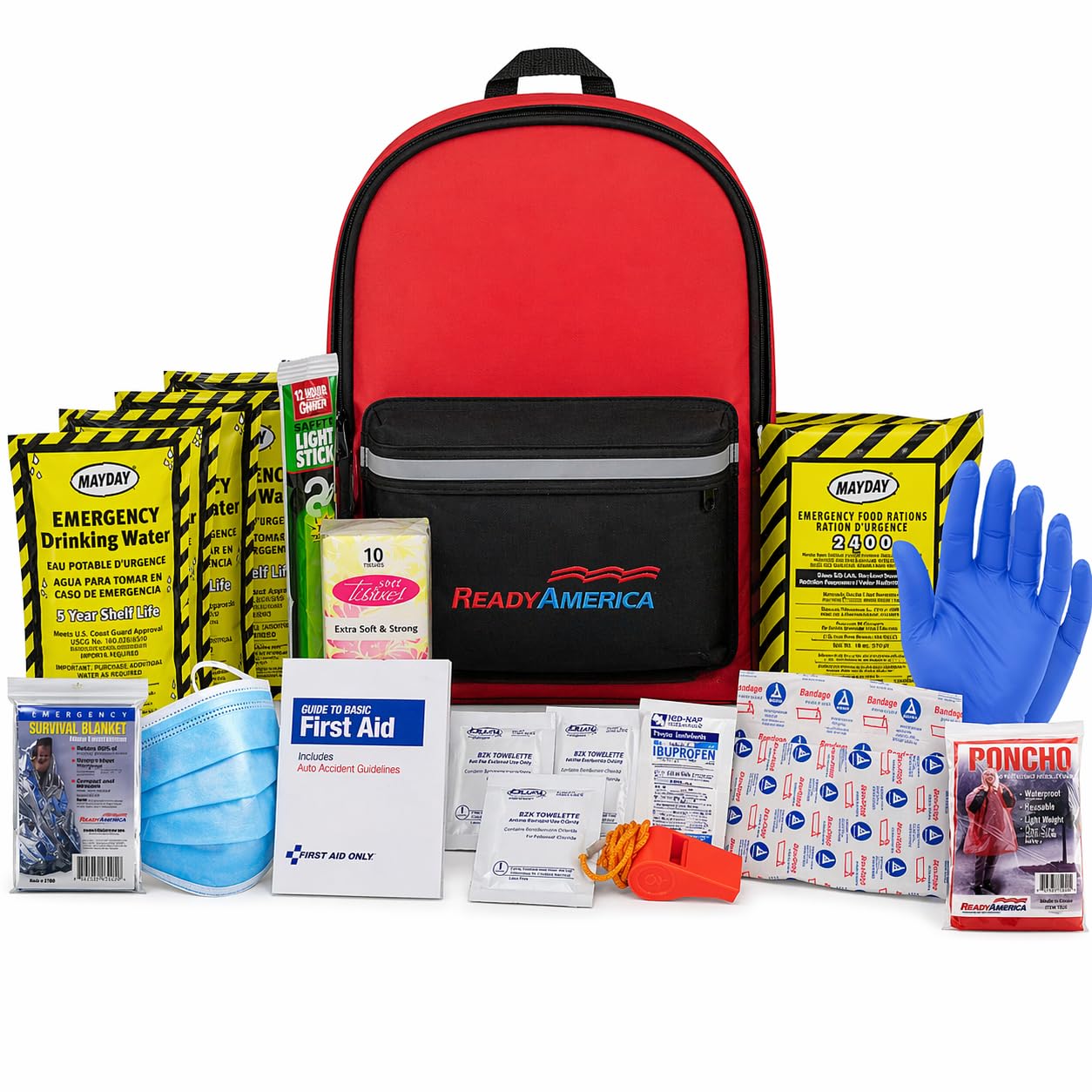
- 72‑hour emergency kit for supplies, for example the Ready America 72‑Hour Emergency Kit
- Fire‑resistant blankets such as the WUERLI Emergency Fire Blankets
- Basic tools: non‑slip floor mats, cabinet latches, and a flashlight with extra batteries.
Step 1: Assess Risks and Map the Kitchen Layout
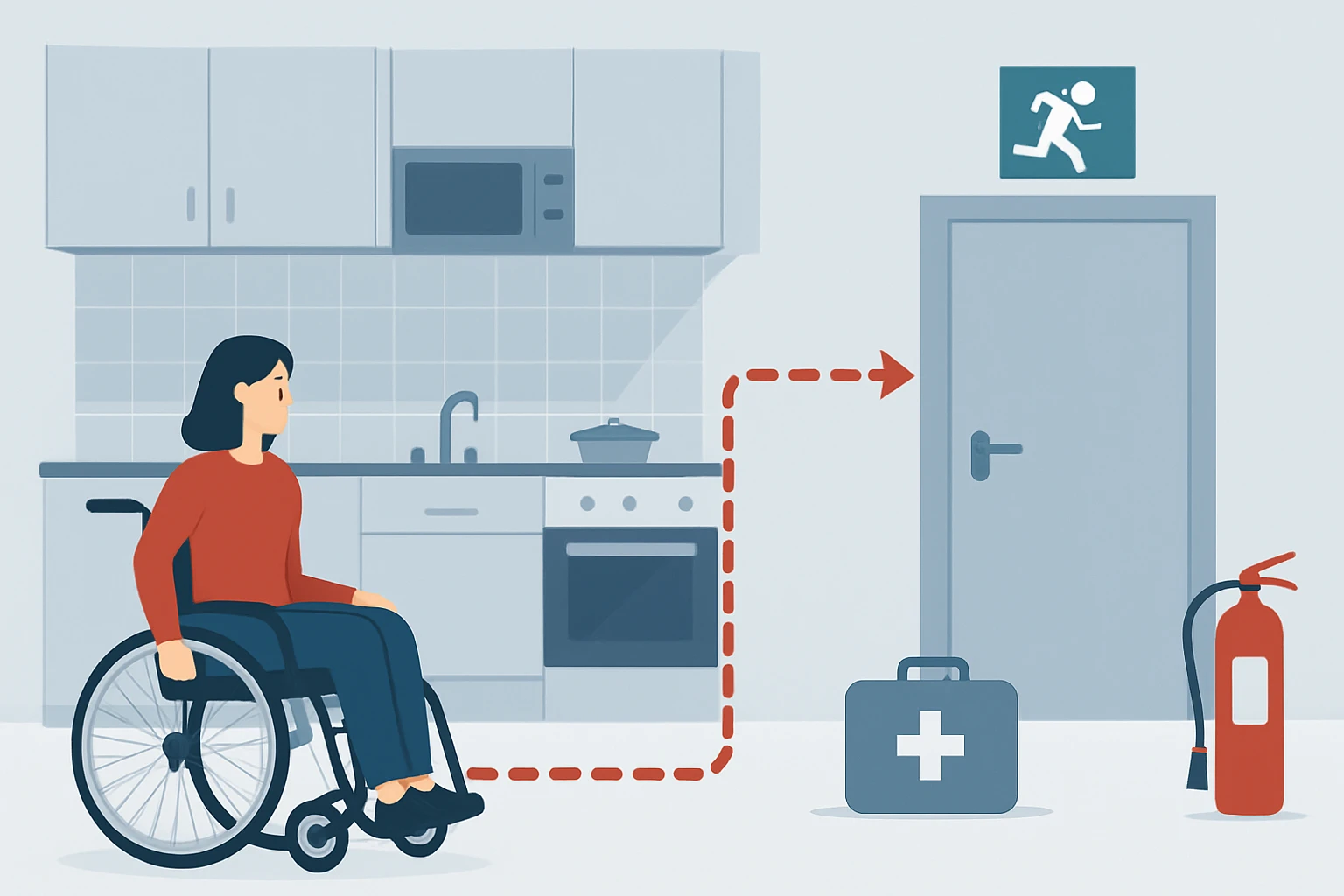
The first step is to walk through the kitchen and identify potential obstacles that could impede evacuation. Measure the distance from the cooking area to the nearest exit and note any narrow doorways, high cabinets, or cluttered countertops. Record these observations on a simple floor plan, marking the location of appliances, fire sources, and any assistive devices that are already present. This visual map will serve as the foundation for all subsequent modifications and will help emergency responders understand the unique challenges faced by a mobility‑impaired occupant.
During the assessment, consider the weight limits of any existing handrails or support bars; a sturdy assist handle that can bear up to 400 lb provides a reliable anchor point for individuals with limited strength. The KOUNATSURI Car Handle Assist offers a forged‑steel core, anti‑rust coating, and a non‑slip PVC grip, making it suitable for mounting near stove controls or refrigerator doors. Its capacity of 400 lb ensures that even heavier users can rely on the handle without fear of failure.
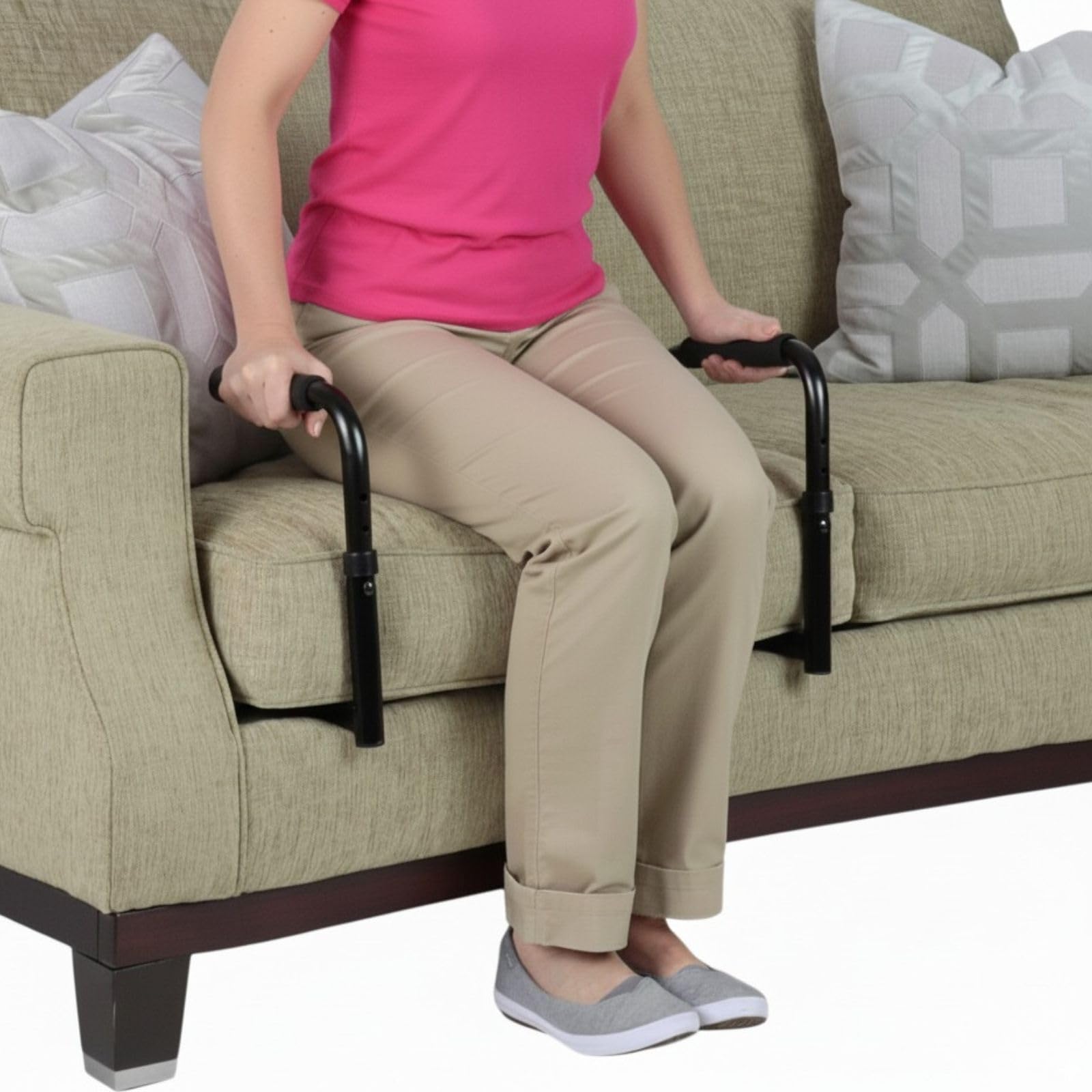
In addition to the handle, note any seating areas where a person might need to pause before standing. A standing aid rail such as the Vive Stand Assist can be positioned beside a kitchen chair or bench, providing a stable platform for rising without twisting the torso. The rail supports up to 300 lb, features an adjustable aluminum frame, and includes soft‑foam grip covers for comfort during repeated use.
Finally, identify locations where fire‑suppression tools will be most effective. A fire blanket placed near the stovetop can smother a grease fire within seconds, preventing flames from spreading to adjacent surfaces. The WUERLI Emergency Fire Blankets are designed for liquid and grease fires, are reusable, and do not require special training, making them ideal for a household with limited mobility.
Step 2: Install Assistive Hardware and Create Clear Pathways
After completing the risk assessment, install the chosen assistive hardware according to the manufacturer’s instructions. The KOUNATSURI Car Handle Assist can be affixed to a sturdy door edge or cabinet using its adjustable strap; the strap wraps around the surface and locks in place, eliminating the need for permanent drilling. This portability is valuable for renters or for households that may rearrange furniture frequently.
When positioning the handle, ensure that the grip aligns with the user’s natural hand position, typically at waist height for seated individuals and slightly higher for standing users. The ergonomic rubber foam handle conforms to the palm, reducing strain on the fingers and providing a comfortable, non‑slipping surface even when hands are wet.
Next, mount the Vive Stand Assist around a sturdy chair or bench that the occupant uses while preparing meals. The adjustable frame slides to fit various seat widths, and the dual handles create a balanced lever for pushing upward. Because the rail is constructed from aluminum, it resists corrosion in humid kitchen environments, and the soft‑foam covers protect the user’s hands from pressure points.
Clear pathways by removing loose rugs, securing cords, and placing non‑slip mats near the exit. Ensure that the distance from the cooking area to the door does not exceed 8 feet of unobstructed travel; any longer distance should be broken by a secondary support, such as a portable stool with handrails. The Ready America 72‑Hour Emergency Kit includes a compact flashlight and extra batteries, which can be mounted on the wall near the exit to provide illumination during a power failure.
Step 3: Assemble Emergency Supplies and Practice the Evacuation
Having a well‑stocked emergency kit is essential for any evacuation plan, especially for individuals who may require additional time to exit. The Ready America 72‑Hour Emergency Kit supplies 2400 calories of food, six sealed water pouches, an 18‑piece first‑aid kit, a dust mask, nitrile gloves, a 12‑hour light stick, and a safety whistle. Priced at $24.99 and rated 4.7 out of 5 stars by 767 reviewers, this kit offers comprehensive coverage for a single person during a disaster.
Place the kit in an easily reachable location, such as a low cabinet near the kitchen exit, and label it clearly with a waterproof sign. During an emergency, the user can quickly retrieve the kit, activate the light stick, and use the whistle to signal for help if mobility limits rapid movement.
Conduct a full evacuation drill at least once per month. Begin by simulating a fire scenario: light a candle near the stovetop, then use the WUERLI Emergency Fire Blanket to smother the flame. Demonstrate how the blanket can be wrapped around a person’s arms if clothing catches fire, emphasizing that the blanket does not produce fumes and can be reused. The blanket costs $23.59, carries a 4.8‑star rating from 2,188 reviews, and measures 40 in × 40 in, providing ample coverage for most kitchen fires.
After extinguishing the simulated fire, practice moving from the cooking area to the exit while using the KOUNATSURI handle for support and the Vive Stand Assist for standing up from a chair. Time the entire process; the goal is to complete the evacuation within two minutes, allowing a safety margin for real emergencies.
Step 4: Review, Update, and Educate All Household Members
Safety plans must be living documents that evolve with changes in the household, such as new appliances, altered furniture arrangements, or changes in the occupant’s mobility level. Review the floor plan quarterly and adjust the placement of assistive devices accordingly. Replace any worn straps, damaged handles, or expired first‑aid supplies to maintain readiness.
Educate family members, caregivers, and visitors about the evacuation route, the location of assistive tools, and the operation of fire blankets. Provide a brief written summary near the kitchen exit, outlining each step in plain language and using icons for visual reinforcement. This ensures that even if the primary occupant is unable to communicate during an emergency, others can still execute the plan effectively.
Consider creating a laminated quick‑reference card that lists the emergency kit contents, the location of the fire blanket, and the phone numbers for local emergency services. Store the card in the same drawer as the Ready America kit for easy access.
Tips & Pro Tips
- Install a battery‑operated smoke detector at a height of 3‑6 feet to provide early warning without relying on ceiling placement.
- Use non‑slip silicone pads under the KOUNATSURI Car Handle Assist to prevent movement on smooth cabinet doors.
- Test the Vive Stand Assist monthly to ensure the aluminum frame remains tight and the foam grips have not degraded.
- Rotate the fire blankets every six months by exposing them briefly to sunlight; this helps maintain the integrity of the flame‑retardant fibers.
- Store the Ready America kit in a waterproof container if the kitchen is prone to flooding.
Troubleshooting
Problem: The assist handle slips when weight is applied.
Solution: Verify that the strap is wrapped tightly around a solid, non‑flexible surface and that the locking mechanism is fully engaged. If slipping persists, consider adding a silicone mat beneath the strap for extra friction.
Problem: The standing aid rail feels unstable on a soft chair.
Solution: Place a rigid plywood board beneath the chair seat before attaching the Vive Stand Assist. This distributes the load evenly and prevents the frame from tilting.
Problem: The fire blanket does not fully cover a large grease fire.
Solution: Keep a second blanket within arm’s reach and use both to drape over the fire, ensuring complete smothering. Always keep the blankets away from open flames until needed.
Conclusion
Creating an emergency kitchen evacuation plan for people with mobility impairments involves assessing risks, installing reliable assistive hardware, stocking a comprehensive emergency kit, and rehearsing the procedure regularly. By integrating tools such as the KOUNATSURI Car Handle Assist, Vive Stand Assist, Ready America 72‑Hour Emergency Kit, and WUERLI Emergency Fire Blankets, one can enhance safety while maintaining independence. Continuous review and education ensure that the plan remains effective, providing peace of mind for the entire household.
Products Mentioned in This Guide
Frequently Asked Questions
Why is a dedicated kitchen evacuation plan important for people with mobility impairments?
It ensures clear, accessible routes and appropriate assistive tools, reducing panic and injury during emergencies.
What are the essential items to include in a kitchen emergency kit for limited mobility?
A portable assist handle, an adjustable standing aid rail, and a 72‑hour supply kit with food, water, and medical necessities.
How can I assess my kitchen layout for evacuation hazards?
Identify obstacles, measure doorway widths, and ensure pathways are wide enough for wheelchairs or walking aids.
What low‑cost modifications improve kitchen safety for mobility‑impaired users?
Install grab bars, non‑slip flooring, and removable cabinet doors to create unobstructed, supportive pathways.
How often should I practice the evacuation plan?
Conduct drills at least quarterly, reviewing each step and adjusting equipment as needed.