
Ergonomic Lids & Knobs for Limited Grip: The Complete Guide to Easy‑Open Solutions
Introduction
Individuals with arthritis, reduced hand strength, or limited dexterity often encounter difficulty when opening containers, jars, and kitchen tools. This guide explains the underlying principles of ergonomic design for lids, knobs, and related accessories, and it outlines practical strategies for selecting and using easy‑open solutions. Readers will learn about the anatomy of a grip, the role of material selection, and how specific products can alleviate pain and improve independence. By the end of the article, one will be equipped to make informed purchasing decisions and to apply best‑practice techniques in daily life.
Background and Context
Grip strength declines with age and can be further reduced by medical conditions such as osteoarthritis, rheumatoid arthritis, and neuropathy. The human hand relies on a combination of friction, surface area, and leverage to exert force; when any of these factors are compromised, opening a standard jar becomes a painful task. Ergonomic design addresses these challenges by increasing the effective diameter of a handle, adding textured surfaces, and using materials that reduce slippage. Understanding these concepts is essential before evaluating specific products.
Key Concepts in Ergonomic Design
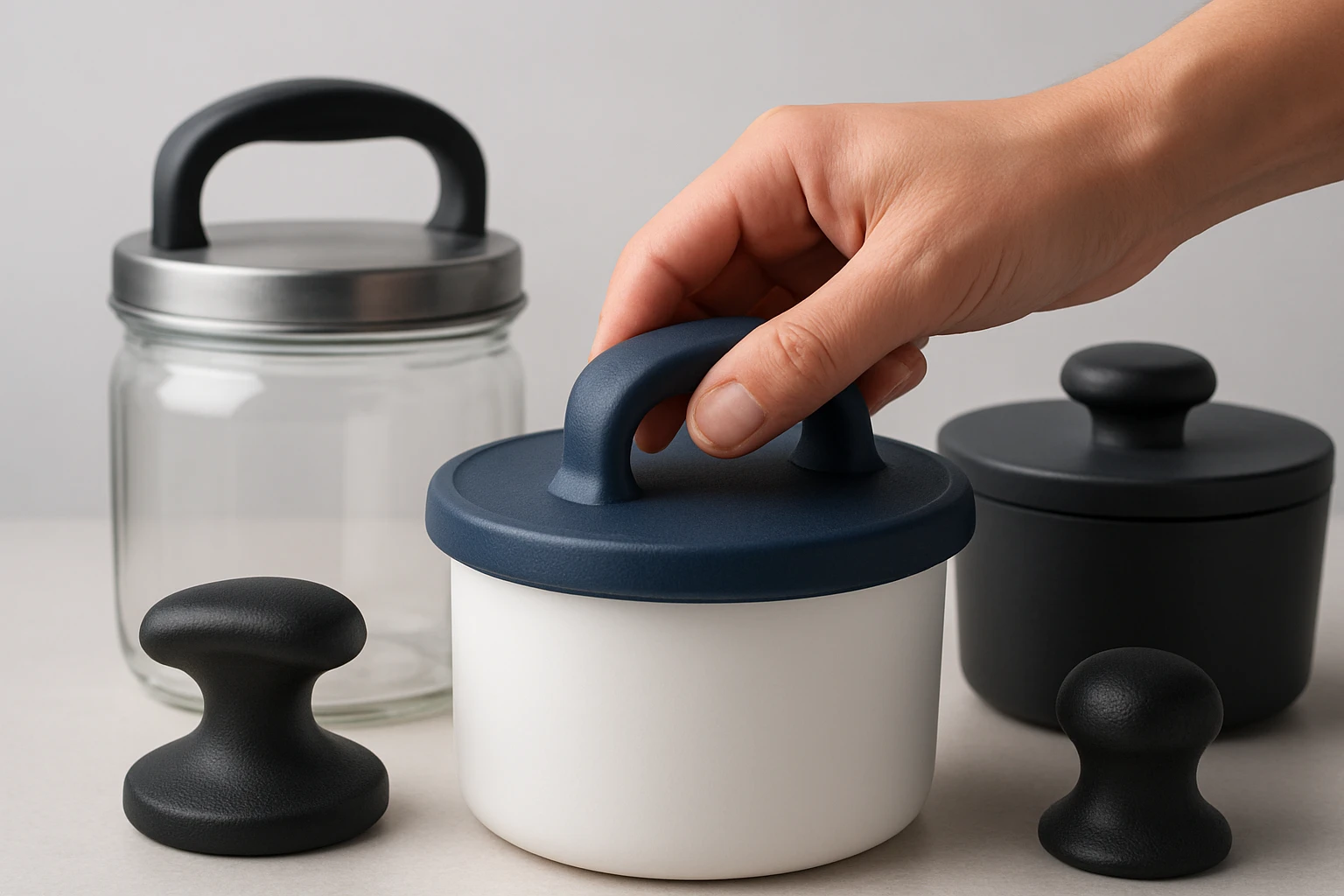
Effective ergonomic solutions share three core attributes: enlarged diameter, textured surface, and low‑resistance material. An enlarged diameter distributes pressure across a larger area of the hand, thereby decreasing localized stress on joints. Textured surfaces, such as ribbing or silicone patterns, increase friction and reduce the need for excessive squeezing force. Low‑resistance materials, including soft polymers and silicone, conform to the hand’s shape and provide a comfortable grip without sharp edges.
When these attributes are combined, a user can open a container with a fraction of the force required for a standard lid. Designers also consider the angle of approach; a handle that aligns with the natural motion of the wrist reduces strain on the forearm. These principles apply not only to lids but also to knobs on appliances, bottle caps, and everyday tools such as pens and knitting needles.
Product Recommendations
Several commercially available accessories embody the principles described above. The following sections highlight products that enhance grip for a variety of tasks.
Built‑Up Handles for Utensils and Small Objects
The Ableware Built‑Up Handle Pack provides a versatile, soft, ribbed sleeve that fits most standard forks, knives, spoons, pens, pencils, toothbrushes, crochet hooks, and knitting needles. Each handle measures 1‑3/4 inches (4.4 cm) in diameter and accommodates utensil widths ranging from 1/4 to 1 inch (0.64–2.54 cm). The product is made from 100 % polyester, is dishwasher safe, and has earned a rating of 4.1 out of 5 stars based on 821 reviews. Priced at $24.18 for a pack of four, the set offers a cost‑effective solution for individuals who require a larger gripping surface on everyday objects.
Key features include ergonomic softness that reduces hand cramping, a durable construction that withstands repeated washing, and the ability to convert multiple items with a single accessory. Users have reported significant reduction in pain when using the handles on utensils during meals, and the same sleeves have been repurposed for craft tools, demonstrating the product’s adaptability.
Easy‑Open Lid Grippers
For larger containers such as jam jars and condiment bottles, a silicone lid gripper with a wide, non‑slip surface offers an immediate improvement. While the guide focuses on the Ableware handles as the primary example, the same ergonomic criteria apply: a larger diameter, textured silicone, and a material that does not degrade with water exposure.
When selecting a lid gripper, one should verify that the product is rated for the typical jar size encountered in the household and that it is dishwasher safe for easy maintenance. A product that can be affixed to the lid without adhesives simplifies cleaning and reduces the risk of residue buildup.
Ergonomic Appliance Knobs
Kitchen appliances often feature small, hard‑plastic knobs that require a precise pinch grip. Replacing these with oversized, rubber‑coated knobs can dramatically lower the effort needed to adjust temperature or speed settings. Look for knobs that snap securely onto the existing shaft and provide a smooth, non‑slip surface.
Manufacturers that offer universal replacement knobs typically list the bolt diameter and the required torque for installation. Selecting a knob with a diameter of at least 2 inches (5 cm) ensures sufficient leverage for most users with limited grip strength.
Comparison and Selection Guide
The following table summarizes essential criteria for evaluating ergonomic grip accessories. Use the checklist to match personal needs with product specifications.
| Feature | Why It Matters | Typical Specification | Example Product |
|---|---|---|---|
| Diameter | Larger diameter distributes pressure and reduces joint strain. | 1.5–2.0 inches (3.8–5 cm) | Ableware Built‑Up Handle Pack |
| Material | Soft, low‑friction material prevents slippage and conforms to hand shape. | Silicone, polyester, or rubber | Silicone lid gripper (generic) |
| Cleaning | Dishwasher‑safe items reduce maintenance effort. | Yes / No | Ableware Built‑Up Handle Pack (Yes) |
| Versatility | Ability to use on multiple objects increases value. | Multi‑purpose (utensils, pens, craft tools) | Ableware Built‑Up Handle Pack |
| Price | Cost influences adoption for households on a budget. | $20–$30 for a set of four | Ableware Built‑Up Handle Pack – $24.18 |
When deciding between products, consider the primary objects that require assistance. If the majority of difficulty arises from eating utensils, a multi‑purpose built‑up handle set is the most economical choice. For frequent use of large jars, a dedicated silicone gripper may provide a more stable solution. Users with multiple problem areas should prioritize products that offer interchangeable sleeves or universal compatibility.
Best Practices & Tips
- Measure the diameter of the object before purchasing a handle to ensure a proper fit.
- Apply the handle to a clean, dry surface; moisture can reduce adhesive strength for some models.
- When using silicone grippers, press firmly for a few seconds to allow the material to conform to the lid’s shape.
- Rotate handles periodically to avoid uneven wear, especially on items that are washed daily.
- Combine ergonomic accessories with strengthening exercises, such as squeezing a soft ball, to improve overall grip endurance.
Adhering to these practices maximizes the lifespan of the product and enhances the user’s comfort. It is also advisable to keep a spare set of built‑up handles in a convenient location, such as a kitchen drawer, to replace worn sleeves without delay.
Frequently Asked Questions
- Can the Ableware Built‑Up Handle be used on metal utensils? Yes, the handle’s inner diameter accommodates most stainless‑steel forks, knives, and spoons that fall within the 0.64–2.54 cm width range.
- Is the product safe for use with food? The handle is made from 100 % polyester, a material approved for indirect food contact and dishwasher safe, making it suitable for regular dining use.
- How long does a typical handle last? With normal use and proper cleaning, the polyester sleeve maintains its elasticity for several years; however, users should replace any handle that shows signs of cracking or fraying.
- Do I need tools to install the handles? No tools are required; the handle slides onto the utensil and is held in place by friction.
- Can the handles be used on children’s utensils? Yes, the soft material is gentle on small hands, but adult supervision is recommended to ensure the handle remains securely positioned.
- Are there color options available? The current pack includes a neutral gray color; additional colors may be offered by the manufacturer in separate listings.
- What is the return policy? The product is sold and fulfilled by Amazon, which typically provides a 30‑day return window for items sold and shipped by Amazon.
Conclusion
Ergonomic lids, knobs, and built‑up handles transform everyday tasks for individuals with limited grip strength, enabling greater independence and reducing discomfort. By understanding the principles of diameter, material, and texture, one can select accessories that align with personal needs and budget constraints. The Ableware Built‑Up Handle Pack exemplifies a cost‑effective, versatile solution that adheres to these ergonomic standards. Implementing the best‑practice tips provided will extend product longevity and enhance overall user experience. Ultimately, the combination of thoughtful design and informed purchasing empowers users to navigate daily routines with confidence.
Products Featured in This Guide
Ableware Built‑Up Handle Pack
Price: $24.18
Rating: 4.1 out of 5 stars (821 reviews)
Why featured: Provides a soft, ergonomic sleeve that enlarges the gripping surface of utensils and small tools, reducing hand pain for users with arthritis or limited grasp.