How to Cook One-Handed: Step-by-Step Adaptive Techniques, Tools & Easy Recipes
Introduction
Cooking with a single hand presents unique challenges that can be overcome with thoughtful preparation and the right tools. This guide explains practical adaptive techniques that enable safe and efficient food preparation using only one hand. Readers will learn how to organise a kitchen workspace, select appropriate utensils, and follow simple recipes that require minimal dexterity. The information is valuable for individuals recovering from injury, living with disability, or simply seeking greater kitchen independence.
What You’ll Need
- HOSASSPER Adaptive Cutting Board – $43.99, rating 2/5
- Chef'n EzSqueeze – $23.79, rating 4.2/5
- Canslab Ultrablade PRO – $38.69, rating 4.4/5
- SAKAMOSH Battery Operated Can Opener – $19.99, rating 4.4/5
- Super Easy Cookbook – $8.99, rating 4.5/5
Step 1: Prepare the Workspace
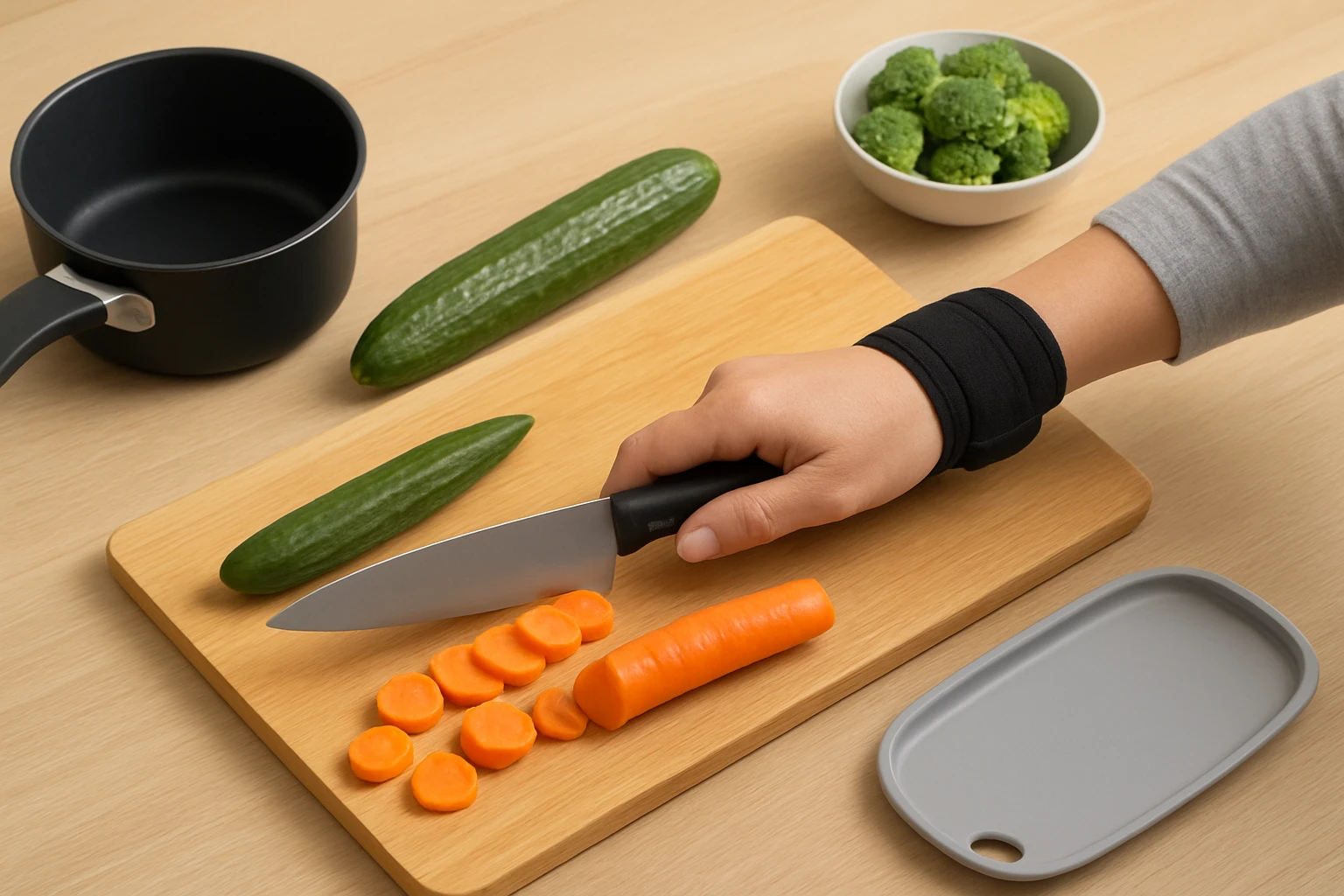
Begin by clearing a countertop area that is within comfortable reach of the dominant hand. Place a stable, non‑slip mat or towel underneath the cutting surface to prevent movement. Position the HOSASSPER Adaptive Cutting Board in the centre of the workspace. The board features an anti‑slip base and built‑in food spikes that hold produce securely, allowing the user to slice or dice without the need for a second hand. The raised bread stops provide extra support for items that tend to roll, such as loaves or baguettes. Although the board has received mixed reviews, its design specifically addresses the challenge of one‑handed stabilization, which is essential for safety.
Step 2: Secure the Ingredients
Arrange all required ingredients within arm’s length before beginning any chopping. Use shallow bowls or containers that can be tipped with a gentle rocking motion rather than lifted. For items that require firm holding, such as carrots or potatoes, press them against the board’s spikes and use a rocking knife motion. The spikes keep the food from slipping, reducing the risk of accidental cuts. When working with delicate items like tomatoes, the board’s bread stops can act as a cradle, preventing the fruit from rolling away while the user applies pressure with the knife.
Step 3: Open Cans Efficiently
Canning is a common source of difficulty for one‑handed cooks because traditional openers demand simultaneous gripping and turning. Three adaptive options are available, each with distinct advantages.
Option A – Chef'n EzSqueeze
The Chef'n EzSqueeze employs a squeeze‑to‑open mechanism that requires only a brief hand pressure. Its stainless‑steel cutting blade and magnetic tip ensure a clean cut and automatic lid removal. Priced at $23.79 with a 4.2‑star rating, it is especially suitable for users who prefer a lightweight, dishwasher‑safe tool. The ergonomic handle reduces strain on the wrist, making it ideal for individuals with arthritis.
Option B – Canslab Ultrablade PRO
The Canslab Ultrablade PRO is a rechargeable electric model that offers true one‑touch operation and automatic shut‑off. At $38.69 and a 4.4‑star rating, it provides a hands‑free experience by cutting along the side of the lid, leaving a smooth edge that does not contact the food. The built‑in magnetic lid lifter and retractable pry bar simplify lid removal. This model is advantageous for users who open multiple cans in succession, such as during batch cooking.
Option C – SAKAMOSH Battery Operated Can Opener
The SAKAMOSH Battery Operated Can Opener uses four AA batteries (not included) to power a side‑cut blade that creates a safe, smooth edge. Priced at $19.99 with a 4.4‑star rating, it is the most affordable electric option and includes a built‑in lid lifter. The one‑touch button is large enough for users with limited grip strength, and the device automatically retracts the blade after a two‑second pause, enhancing safety.
Choose the device that best matches the user’s budget, frequency of use, and preference for manual versus electric operation. All three models eliminate the need for a second hand to hold the can while turning a wheel.
Step 4: Execute Simple One‑Handed Recipes
With the workspace prepared and cans opened, select a recipe that requires minimal stirring and limited chopping. The Super Easy Cookbook offers five‑ingredient meals that are ideal for one‑handed preparation. Each recipe provides clear, numbered steps and suggests ingredient substitutions that reduce the need for complex techniques.
Example recipe – One‑Handed Tomato Basil Pasta:
- Boil water in a pot using a single‑handed electric kettle; place the pot on a stable burner.
- Add pasta and cook according to package instructions, stirring occasionally with a silicone spoon that can be gripped with the thumb and fingers of one hand.
- While the pasta cooks, open a can of diced tomatoes using the chosen can opener.
- Transfer the tomatoes to a saucepan placed on a second burner; add a drizzle of olive oil, a pinch of salt, and a handful of fresh basil leaves.
- Allow the sauce to simmer for three minutes, then combine with the drained pasta. Serve immediately.
This recipe demonstrates how the adaptive cutting board, one‑handed can opener, and simple kitchen tools work together to produce a complete meal without requiring two‑handed coordination.
Tips & Pro Tips
- Place frequently used utensils within easy reach to avoid unnecessary stretching.
- Use silicone or rubber‑grip handles on knives and spoons to improve control.
- When using electric can openers, allow the blade to fully retract before removing the lid to prevent accidental cuts.
- Keep a small towel nearby to wipe any spills quickly; a wet towel can also be used to steady a slippery cutting board.
- Test the stability of the cutting board on the countertop before beginning; a wobble can indicate the need for a non‑slip mat.
Troubleshooting
Problem: The cutting board slides during chopping.
Solution: Add a rubber mat underneath or secure the board with a few adhesive silicone pads.
Problem: The electric can opener stops before completing the cut.
Solution: Ensure the battery is fully charged or replace AA batteries if using the SAKAMOSH model. Verify that the can rim is not rimless, as the device is not designed for such cans.
Problem: The knife feels unstable when using the spikes.
Solution: Adjust the pressure applied to the food; the spikes are intended to hold the item, not to act as a fulcrum. A lighter rocking motion often yields smoother cuts.
Conclusion
Cooking with one hand is entirely achievable when the kitchen is organized, appropriate adaptive tools are employed, and recipes are selected with simplicity in mind. By following the steps outlined in this guide, readers can prepare nutritious meals safely and independently. The recommended products address the most common obstacles—unstable cutting surfaces, difficult can opening, and complex ingredient preparation—while the techniques reinforce confidence and skill development.
Products Mentioned in This Guide
Frequently Asked Questions
What adaptive tools are essential for cooking with one hand?
Key tools include a stable cutting board with clamps, a one‑handed bottle opener, a squeeze bottle for liquids, and easy‑grip knives or electric slicers.
How can I set up my kitchen workspace for one‑handed cooking?
Arrange all frequently used items within arm’s reach, use non‑slip mats, and keep countertops clear to reduce the need for two‑handed movements.
Are there safety tips for using knives one‑handed?
Use a cutting board with a built‑in clamp to secure food, choose a knife with a large, ergonomic handle, and slice slowly while keeping fingers tucked away.
What simple recipes work well for one‑handed cooks?
One‑pan stir‑fries, sheet‑pan roasted vegetables, and pre‑measured mix‑in soups require minimal chopping and can be stirred with a single hand.
Can I adapt regular kitchen gadgets for one‑handed use?
Yes—attach a strap to a mixer bowl, use kitchen shears with a built‑in bottle opener, and replace twist‑top containers with push‑button dispensers.