How to Meal Prep After a Stroke with Left‑Side Weakness: Easy One‑Handed Tips, Tools & Recipes
This guide explains how a person with left‑side weakness can safely and efficiently prepare meals using one‑handed techniques. It demonstrates why adaptive tools reduce strain, improve safety, and restore confidence in the kitchen. By following the outlined steps, readers will learn to organise their workspace, select appropriate equipment, and execute simple recipes without unnecessary frustration. The information is valuable for stroke survivors, caregivers, and occupational therapists who support independent living.
What You’ll Need
- Adaptive cutting board or similar one‑handed tool
- Non‑slip mat or silicone grip pad
- One‑handed peeler and grater (often included with adaptive boards)
- Microwave‑safe containers
- Pre‑measured spice packets
- Reusable zip‑lock bags
Step 1: Prepare Your Workspace
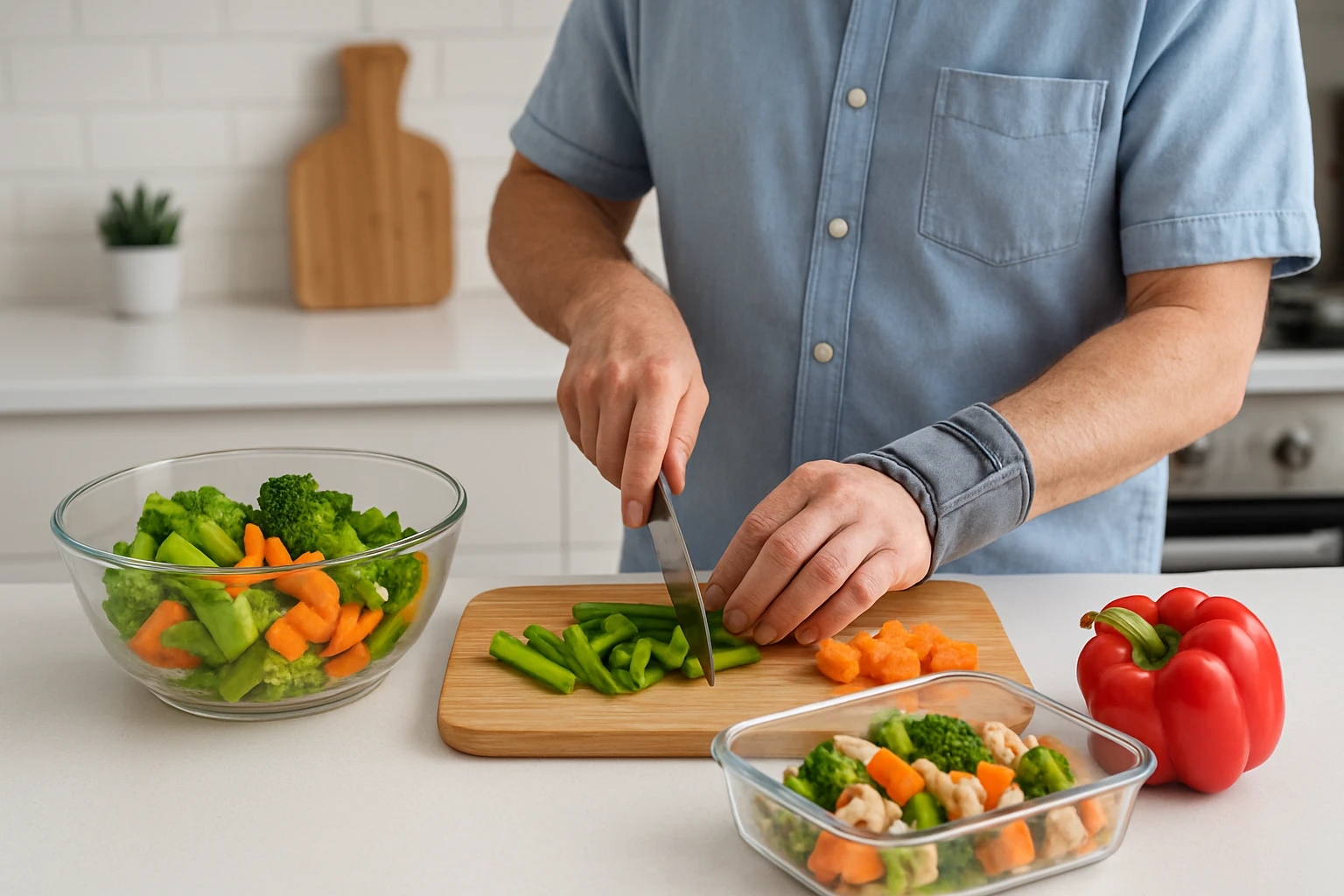
Begin by clearing a countertop to create an unobstructed area. Place a non‑slip mat or silicone pad to keep bowls and utensils stable while the left hand rests. This foundation prevents accidental spills and reduces the need for constant adjustments. Organise all ingredients within arm’s reach of the right hand, arranging them in the order of use to minimise movement.
Step 2: Set Up an Adaptive Cutting Surface
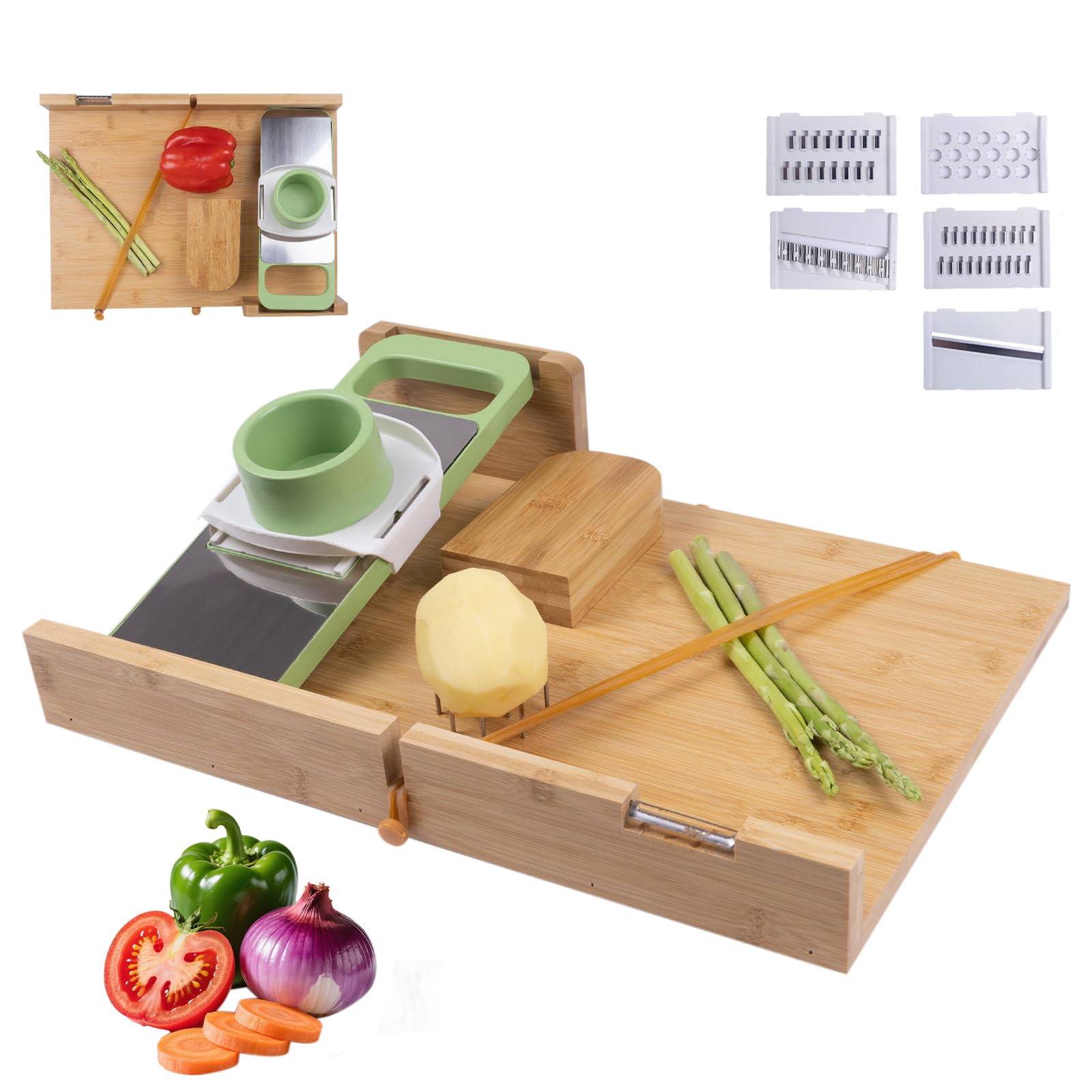
Position the DigNew Adaptive One‑Handed Cutting Board on the prepared mat. The board features a wooden surface with an anti‑slip bottom, ensuring it remains firmly in place during chopping. Its built‑in rubber band accessories hold vegetables securely, allowing the user to slice or grate with a single hand. The included stainless‑steel spikes, covered by a wooden shield, protect the countertop when not in use and provide a stable anchor for firm items such as carrots or potatoes.
Why this board is essential: traditional cutting boards require both hands to stabilise food, which is difficult for someone with left‑side weakness. The adaptive design eliminates the need for a second hand, thereby reducing fatigue and improving safety. The replaceable grater blades offer versatility for cheese, zest, or vegetables, while the one‑handed peeler simplifies skin removal without additional tools.
Step 3: Portion and Secure Ingredients
Using the board’s rubber band clamps, secure larger items such as a sweet potato or a chicken breast. This action frees the right hand to operate the knife or peeler without the item shifting. For smaller items, place them in a shallow bowl that sits on the non‑slip mat, allowing easy access.
When measuring liquids, employ a measuring cup with a spout that can be tilted with one hand. Pour slowly to avoid splashes, and use a silicone spatula to scrape the last remnants from containers.
Step 4: Cook Using One‑Handed Techniques
Opt for cooking methods that require minimal stirring, such as baking, steaming, or microwaving. Place pre‑cut vegetables on a microwave‑safe plate, cover with a vented lid, and heat in short intervals, stirring only once with a fork held in the right hand. For stovetop cooking, use a pot with a stable base and a lid that can be opened with a single hand; a silicone handle cover prevents burns.
When sautéing, employ a splatter guard that attaches to the pan, reducing the need to flip the lid manually. Use tongs with a locking mechanism to flip ingredients, allowing one‑handed operation.
Step 5: Assemble Simple Recipes
Choose recipes that involve few steps and limited chopping. A quinoa salad with pre‑cooked quinoa, canned beans, diced tomatoes, and feta cheese illustrates this approach. After rinsing the beans in a colander placed on the non‑slip mat, transfer them to a large bowl. Use the board’s grater to shave cheese directly onto the salad, eliminating a separate grating container.
Season the mixture with pre‑measured spice packets, stirring gently with a wooden spoon that offers a comfortable grip. The final dish can be portioned into reusable zip‑lock bags for easy storage and reheating.
Step 6: Clean and Store Your Tools
After cooking, clean the adaptive board by wiping it with a damp cloth; the wooden surface is resistant to water damage when dried promptly. The removable grater blades can be rinsed under running water, and the stainless‑steel spikes should be covered with the wooden shield to prevent scratches on countertops.
Store the board in a cabinet where it remains upright, ensuring the rubber bands are not stretched beyond their capacity. Regular maintenance prolongs the lifespan of the tool and maintains its safety features.
Tips & Pro Tips
- Use colour‑coded cutting boards to differentiate between raw and cooked foods, reducing cross‑contamination.
- Invest in a kitchen timer that can be set with a single button press to avoid overcooking.
- Place a lightweight folding stool near the counter if standing for long periods becomes tiring.
- Label spice packets with large, high‑contrast fonts for quick identification.
Troubleshooting
- Board slides despite anti‑slip bottom: Add a silicone mat underneath for extra grip.
- Rubber bands lose tension: Replace them with elastic kitchen ties that fit the board’s slots.
- Grater blades become dull: Swap with the spare replaceable blades included in the set.
Conclusion
By following these structured steps, a person with left‑side weakness can regain independence in meal preparation. The adaptive cutting board serves as a pivotal tool, simplifying chopping, grating, and peeling with a single hand. Coupled with strategic workspace organisation and one‑handed cooking techniques, the process becomes safer, faster, and more enjoyable. Continued practice will enhance dexterity, confidence, and overall nutritional wellbeing.
Products Mentioned in This Guide
Frequently Asked Questions
What adaptive tools help a person with left‑side weakness cook safely?
One‑handed cutting boards, silicone grip pads, single‑hand peelers, graters, and microwave‑safe containers provide stability and reduce strain.
How can I organize my kitchen workspace for one‑handed cooking?
Clear the countertop, place a non‑slip mat, keep frequently used items within reach, and use pre‑measured spice packets to minimize movement.
Are there specific recipes that are easier for one‑handed preparation?
Simple recipes that involve microwaving, assembling pre‑cut ingredients, or using one‑pot dishes work best for limited hand use.
Can caregivers assist without taking away independence?
Caregivers can set up the workspace, pre‑portion ingredients, and supervise safety while allowing the stroke survivor to perform the actual cooking steps.
What safety precautions should I follow while meal prepping with one hand?
Use non‑slip mats, keep knives on adaptive boards, avoid hot liquids unattended, and keep the weak side away from sharp edges.