
How to Sanitize Adaptive Kitchen Tools for Immunocompromised Individuals: Step-by-Step Cleaning & Disinfection Guide
Introduction
Maintaining a sterile kitchen environment is essential for individuals with weakened immune systems. This guide explains how to clean and disinfect adaptive kitchen tools so that they remain safe for daily use. Readers will learn practical techniques, the reasons behind each step, and which products can simplify the process. By following these instructions, one can reduce the risk of infection while preserving the functionality of specialized equipment.
What You'll Need
- Warm water and mild dish soap
- Food‑grade disinfectant (e.g., diluted bleach solution or hydrogen peroxide)
- Soft‑bristled brush or non‑abrasive sponge
- Clean drying rack or lint‑free towels
- Scrub Mommy Dual‑Sided Sponge – CAD19.80, 4.8/5 rating (32,850 reviews)
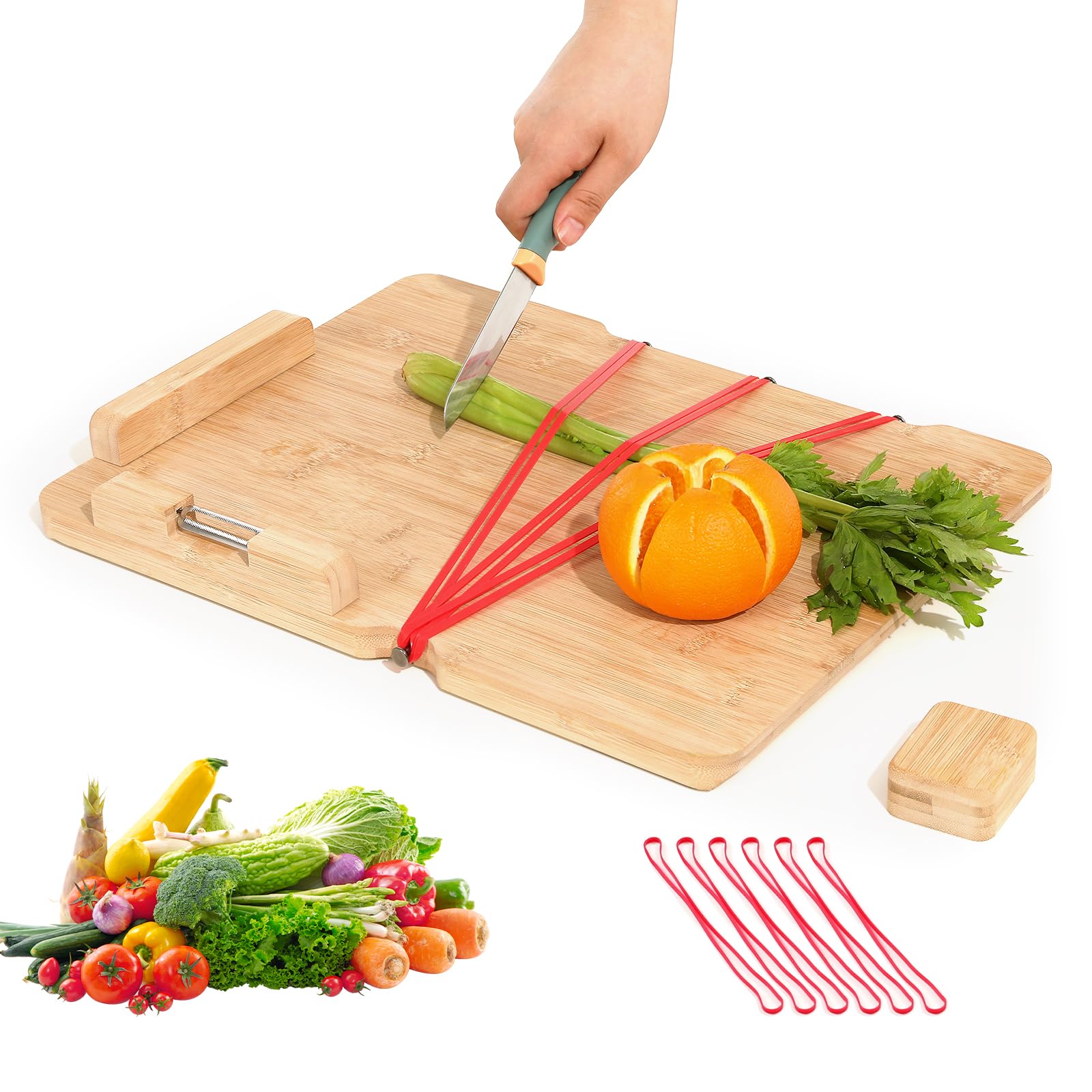
- Adaptive One‑Handed Cutting Board – $32.98, 4.5/5 rating (13 reviews)
Step 1: Prepare a Controlled Cleaning Area
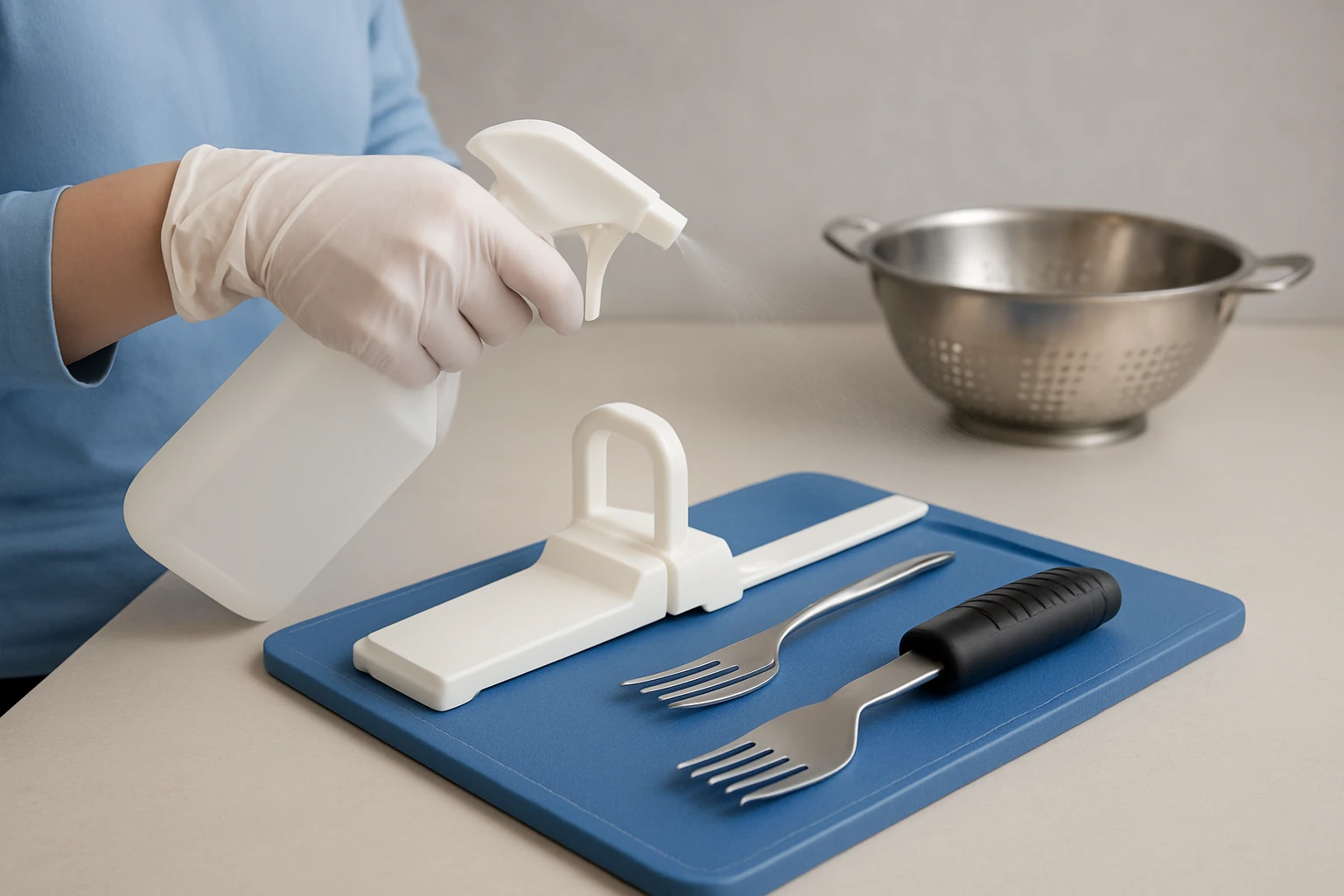
Designate a countertop space that is free from food residues and cross‑contamination sources. Clean the surface with a disinfectant wipe before placing any tools on it. This precaution prevents the introduction of pathogens during the cleaning process.
Step 2: Disassemble Removable Parts
Many adaptive tools, such as the Adaptive One‑Handed Cutting Board, have detachable components like peeler attachments or silicone feet. Remove these parts carefully to expose all surfaces. Separate pieces allow the cleaning solution to reach hidden crevices where bacteria often accumulate.
Step 3: Pre‑Clean with Warm Soapy Water
Fill a basin with warm water and add a few drops of mild dish soap. Submerge the tools and let them soak for two to three minutes. Use the Scrub Mommy Dual‑Sided Sponge to gently scrub each surface. The sponge's FlexTexture foam remains soft in warm water, providing effective agitation without scratching delicate finishes. Focus on areas around the stainless‑steel spikes and the bread stop on the cutting board, as well as the ResoFoam side of the sponge for lathering away grease.
Step 4: Apply a Food‑Safe Disinfectant
Prepare a disinfectant solution that is safe for food‑contact surfaces. A common mixture is one tablespoon of unscented bleach per gallon of water, or a 3% hydrogen peroxide solution applied directly. Submerge the tools for at least one minute, ensuring complete coverage. The disinfectant neutralizes viruses, bacteria, and fungi that may threaten immunocompromised users.
Step 5: Rinse Thoroughly
After disinfection, rinse each item under running potable water to remove chemical residues. Pay particular attention to the cutting board's silicone feet and the sponge's pores, as lingering bleach can affect taste and safety. A final rinse with cold water helps the Scrub Mommy Dual‑Sided Sponge retain its firm texture, ready for the next use.
Step 6: Dry Completely
Place the cleaned tools on a clean drying rack or lay them on lint‑free towels in a well‑ventilated area. Allow them to air‑dry for at least thirty minutes. Moisture promotes microbial growth; therefore, complete drying is a critical step for individuals with compromised immunity.
Step 7: Store in a Protective Environment
Store the Adaptive One‑Handed Cutting Board in a dry cabinet or a sealed container to prevent re‑contamination. The cutting board's non‑slip silicone feet keep it stable, but they can also trap water if not stored properly. The Scrub Mommy Dual‑Sided Sponge can be kept in a ventilated holder to maintain its odor‑resistant properties for up to twelve weeks.
Tips & Pro Tips
- Rotate sponges every two weeks to avoid buildup; the dual‑sided design allows one side to rest while the other is in use.
- Use a separate cutting board for raw proteins and ready‑to‑eat foods to minimize cross‑contamination.
- When cleaning the cutting board, apply a thin layer of food‑grade mineral oil after drying to preserve the bamboo surface and prevent cracking.
- Label cleaning containers with the date of the last disinfection to maintain a regular schedule.
- For households with multiple immunocompromised members, consider color‑coding tools to avoid accidental mixing.
Troubleshooting
Problem: Persistent odor on the sponge after several weeks.
Solution: Place the Scrub Mommy Dual‑Sided Sponge in the dishwasher on a hot cycle once per week; its odor‑resistant formulation is designed to withstand repeated cleaning.
Problem: Cutting board develops surface stains.
Solution: Lightly sand the stained area with fine‑grain sandpaper, then re‑apply mineral oil. The board's bamboo composition is resilient when properly maintained.
Conclusion
This guide has outlined a systematic approach to sanitizing adaptive kitchen tools for individuals with weakened immune systems. By preparing a clean area, disassembling components, using the Scrub Mommy Dual‑Sided Sponge for pre‑cleaning, applying a food‑safe disinfectant, rinsing, drying, and storing correctly, one can greatly reduce infection risk. Consistent practice of these steps ensures that essential tools such as the Adaptive One‑Handed Cutting Board remain hygienic and functional.
Products Mentioned in This Guide
Frequently Asked Questions
What type of disinfectant is safe for adaptive kitchen tools used by immunocompromised individuals?
Use food‑grade disinfectants such as a diluted bleach solution (1 tablespoon per gallon) or hydrogen peroxide, which are effective and safe for kitchen surfaces.
How often should adaptive kitchen tools be cleaned to prevent infection?
Clean and disinfect them after each use, and perform a deep sanitizing soak weekly if the tools are heavily soiled.
Can I use regular dish soap and a sponge on adaptive tools without damaging them?
Yes, warm water with mild dish soap and a soft‑bristled brush or non‑abrasive sponge will clean without harming delicate components.
What is the best method to dry adaptive kitchen tools after sanitizing?
Place them on a clean drying rack or pat dry with lint‑free towels to avoid moisture buildup that can promote bacteria.
Are there any special considerations for one‑handed cutting boards when sanitizing?
Ensure the board is fully submerged in the disinfectant solution and scrub any crevices with a soft brush before rinsing and drying.