
Kitchen Flooring Guide for Fall Prevention and Mobility Impairments: Best Non‑Slip, Accessible Options
Introduction
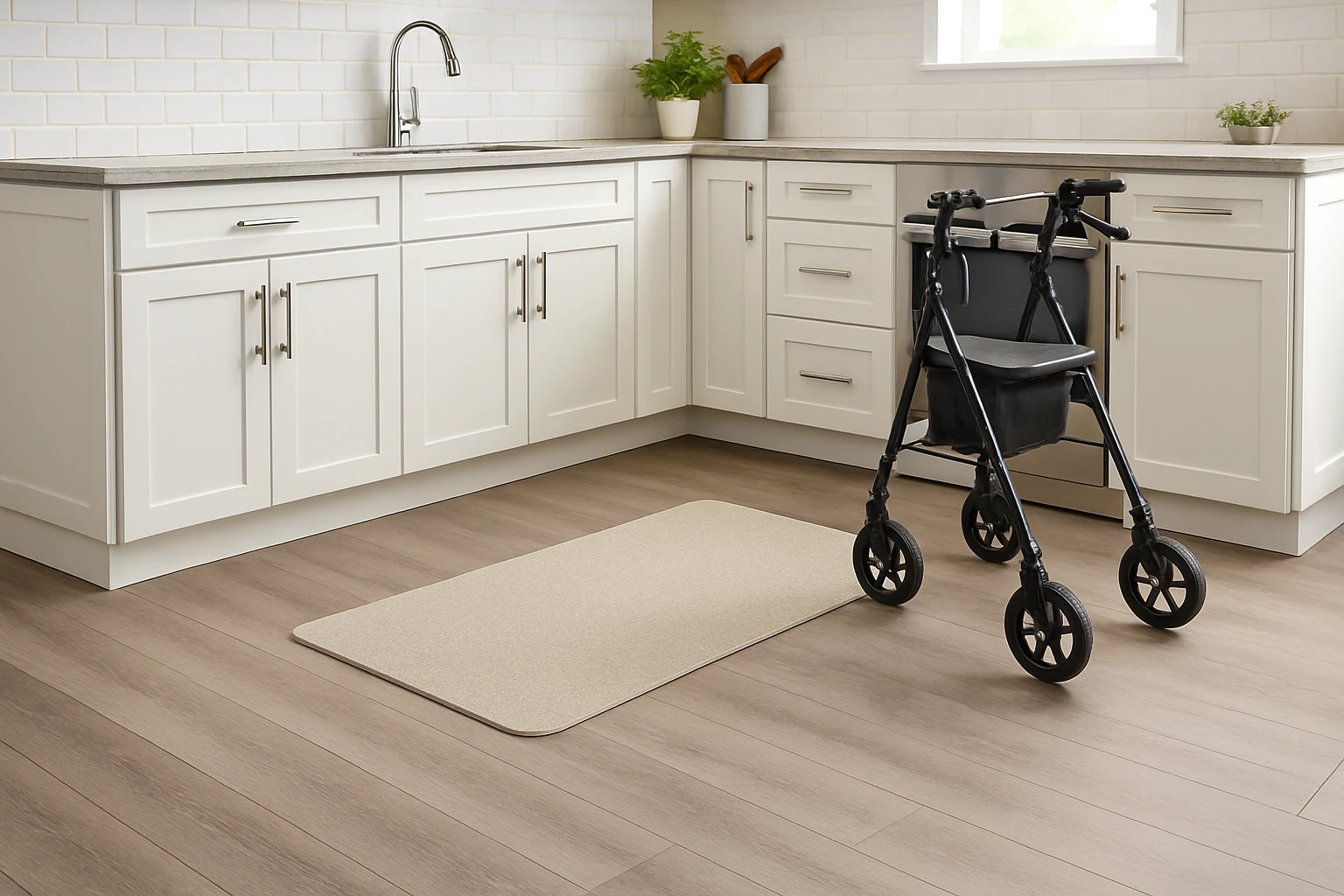
One will find that the kitchen often represents the most trafficked area of a residence, and therefore it demands flooring that reduces the risk of slips and accommodates mobility impairments. This guide explains the essential criteria for selecting safe flooring, outlines the most effective strategies for installation, and presents product recommendations that align with those criteria. Readers will learn how to evaluate material properties, understand the role of drainage and threshold solutions, and apply best‑practice maintenance routines. By the end of this guide, one will be equipped to make an informed decision that enhances safety without sacrificing aesthetic appeal.
Background and Context
The incidence of falls in the kitchen rises sharply for individuals who use walkers, wheelchairs, or have limited balance, according to health‑care studies. Non‑slip performance is measured by the coefficient of friction (COF), where a value above 0.5 is generally considered safe for wet environments. In addition, accessible design guidelines, such as the Americans with Disabilities Act (ADA), recommend level transitions, minimal thresholds, and surfaces that provide tactile feedback. Understanding these standards enables one to match flooring choices with both regulatory expectations and personal comfort.
Key Flooring Concepts
One should first differentiate between slip resistance and traction. Slip resistance refers to the ability of a surface to prevent sliding when a liquid film is present, while traction describes the grip felt by a foot or wheelchair tire. Materials such as rubber, textured vinyl, and engineered stone can be engineered to achieve high COF values. Additionally, drainage capability plays a crucial role in maintaining a dry surface; interlocking tiles with built‑in channels allow water to escape quickly, reducing the formation of slippery pools.
Another important concept is the threshold barrier. A threshold that is too high can create a trip hazard for wheelchair users, whereas a low‑profile water dam can contain spills without impeding movement. Selecting a product that combines flexibility, durability, and a minimalist aesthetic ensures that safety features integrate seamlessly with kitchen design.
Product Recommendations
The following products exemplify the principles discussed above. Each recommendation includes specific features, specifications, and user feedback that illustrate why the item is suitable for a kitchen environment where fall prevention and mobility are priorities.
Interlocking Drainage Tiles
One of the most versatile solutions for a non‑slip kitchen floor is the SOUJOY Interlocking Drainage Tiles. These tiles measure 11.6„ by 11.6„ and are 0.6„ thick, providing a cushioned surface that reduces impact fatigue. They are constructed from a flexible PVC blend that offers durability and a non‑slip texture through protruding points on the top surface and rocket‑like support legs on the underside. The modular design allows for on‑site trimming, enabling custom shapes around cabinets and appliances. With a price of $28.99 for a 12‑piece set and a rating of 4.5 stars from 163 reviews, users commend the ease of installation and the effective drainage that keeps the floor dry during cooking spills.
Collapsible Shower Water Dam
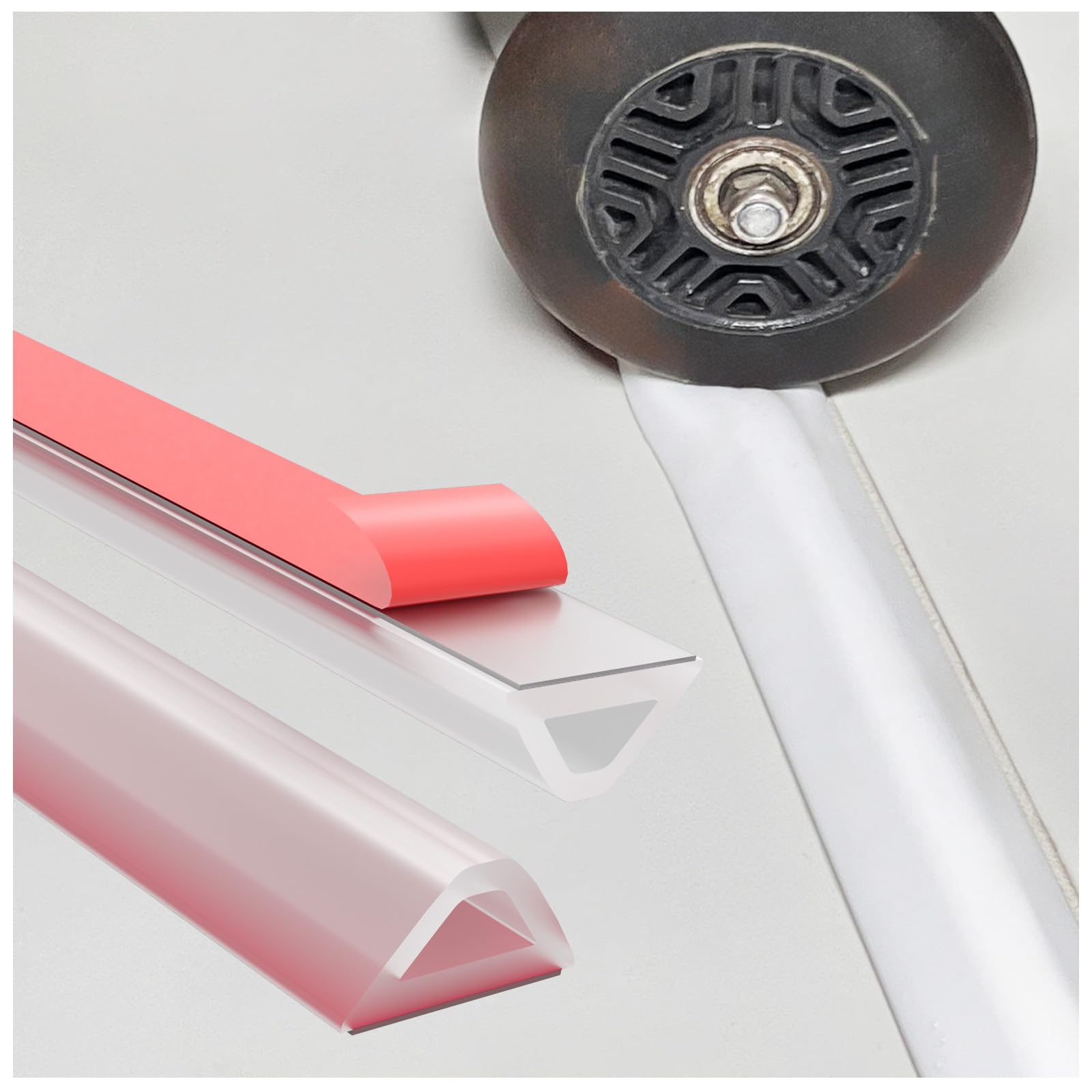
For managing water overflow at the kitchen sink or at a transition between flooring types, the Hzetuu Collapsible Shower Water Dam offers a flexible, self‑adhesive silicone barrier. The 39‑inch length can be cut to fit curved or angled thresholds, and its hollow, wheelchair‑friendly design permits wheelchair wheels to roll over without obstruction. The product blocks up to 99% of water leakage, keeping adjacent flooring dry and reducing slip risk. It is available in transparent and white finishes, allowing it to blend with modern kitchen aesthetics. Although the price is not listed, the product holds a rating of 4.3 stars from 108 reviews, with customers highlighting its durability compared with traditional caulk.
Comparison and Selection Guide
When choosing between flooring solutions, one should evaluate the following criteria:
- Slip Resistance: Verify the COF rating or rely on user reviews that mention non‑slip performance.
- Drainage Capability: Interlocking tiles with built‑in channels, such as the SOUJOY set, excel in wet environments.
- Installation Complexity: Products that snap together and require only a utility knife, like the SOUJOY tiles, are suitable for DIY projects.
- Threshold Integration: The Hzetuu water dam provides a low‑profile seal that does not impede wheelchair movement.
- Maintenance Requirements: Materials that can be cleaned with soap and water without special treatments reduce long‑term upkeep.
For a kitchen that experiences frequent water spills, pairing the SOUJOY Interlocking Drainage Tiles with the Hzetuu Collapsible Water Dam creates a comprehensive system: the tiles maintain a dry, cushioned surface, while the dam prevents water from crossing into adjacent rooms. If the budget is constrained, the water dam alone can be applied to existing flooring to improve safety without a full floor replacement.
Best Practices & Tips
Implementing a safe kitchen floor extends beyond product selection. Consider the following actionable recommendations:
- Clean the subfloor thoroughly before installing any tiles to ensure optimal adhesion.
- Apply a high‑quality, non‑slip sealant to grout lines if using tile systems that require grout.
- Place the water dam at the most vulnerable threshold, such as the edge of a sink or the entrance to a pantry.
- Regularly inspect the surface for wear, especially in high‑traffic zones, and replace damaged tiles promptly.
- Use floor mats with low pile and a rubber backing in areas where standing for long periods is common, such as in front of the stove.
By following these steps, one can maintain a consistently safe environment that supports both independent mobility and the needs of caregivers.
Frequently Asked Questions
1. Are rubber interlocking tiles suitable for indoor kitchens? Yes, the flexible PVC composition of the SOUJOY tiles provides a non‑slip surface that is water‑resistant and easy to clean, making it ideal for indoor kitchen use.
2. Can the Hzetuu water dam be used on uneven surfaces? The silicone material conforms to minor imperfections, but for significantly uneven subfloors it is advisable to level the area first to ensure a proper seal.
3. How often should the drainage tiles be cleaned? A simple rinse with water and a mild soap solution after each major spill will prevent residue buildup; weekly deep cleaning with a soft brush is recommended.
4. Will the water dam affect wheelchair maneuverability? The hollow design is specifically engineered to allow wheel rotation over the barrier, preserving smooth movement while containing water.
5. Are there any fire‑rating concerns with PVC flooring? PVC tiles typically meet Class A fire‑rating standards, but it is prudent to verify the specific rating from the manufacturer when installing near cooking appliances.
6. Can these products be used outdoors? The SOUJOY tiles are marketed for patios and balconies, indicating suitability for outdoor use; however, prolonged UV exposure may affect color over time.
7. Is professional installation required? Both products are designed for DIY installation; however, individuals with limited dexterity may benefit from assistance.
Conclusion
One can conclude that a well‑planned kitchen floor integrates slip resistance, drainage, and accessible thresholds to significantly reduce fall risk for individuals with mobility impairments. The SOUJOY Interlocking Drainage Tiles and the Hzetuu Collapsible Shower Water Dam exemplify products that meet these criteria while offering ease of installation and aesthetic flexibility. By applying the best‑practice tips and following the comparison guide, homeowners can create a safe, welcoming kitchen that supports independent living and complies with accessibility standards.
Products Featured in This Guide
SOUJOY Interlocking Drainage Tiles
Price: $28.99
Rating: 4.5 out of 5 (163 reviews)
Why featured: Provides a non‑slip, cushioned surface with built‑in drainage, ideal for kitchens prone to spills and for users requiring mobility assistance.
Hzetuu Collapsible Shower Water Dam
Rating: 4.3 out of 5 (108 reviews)
Why featured: Offers a flexible, wheelchair‑friendly barrier that contains water, reduces slip hazards, and integrates discreetly with modern kitchen aesthetics.