Kitchen Independence for Autistic Adults Moving Out: A Practical Guide to Cooking, Safety, and Sensory‑Friendly Routines
Introduction
Moving out of the family home represents a significant milestone for autistic adults, and the kitchen often becomes a central arena for independence. This guide explains how to create a cooking environment that respects sensory sensitivities, promotes safety, and fosters confidence. Readers will learn foundational concepts, practical strategies, and product recommendations that support autonomous meal preparation. By the end of the article, one will possess a roadmap for establishing a functional, sensory‑aware kitchen.
Background and Context
Autistic individuals frequently experience heightened sensory perception, which can make typical kitchen sounds, textures, and aromas overwhelming. Understanding the neurological basis of these sensitivities enables the design of routines that minimize stress. Additionally, executive‑function challenges such as planning, sequencing, and time management often intersect with cooking tasks. Recognizing these intersecting factors is essential for building a supportive culinary space.
Research indicates that structured environments and visual supports improve task completion for autistic adults. Simple modifications—such as labeled containers, consistent lighting, and noise‑dampening materials—can transform a chaotic kitchen into a predictable workspace. Moreover, adaptive tools reduce the physical effort required for cutting, stirring, and handling hot items, thereby increasing safety.
Establishing a Sensory‑Friendly Kitchen Layout
The first step is to arrange the kitchen in a way that limits unnecessary stimuli. Place frequently used items within arm’s reach to avoid excessive movement and reduce visual clutter. Use clear, color‑coded containers for dry goods; the visual distinction supports quick identification without reliance on memory.
Lighting should be adjustable; bright, flickering fluorescents can be distressing. Consider warm LED strips under cabinets to provide even illumination. Soft‑closing drawers and cabinets mitigate sudden noises that may trigger sensory overload.
Noise control can be achieved with silicone matting on the floor and rubber pads on appliance handles. These materials absorb vibrations and prevent clattering when pots are set down. When possible, select appliances with low‑decibel operation, such as a quiet blender or a slow‑cook kettle.
Developing Structured Cooking Routines
Consistency is a cornerstone of successful independent cooking. Begin each session with a brief visual checklist that outlines the steps from preparation to cleanup. Checklists can be printed on laminated cards and placed on the refrigerator for easy reference.
Time management tools, such as digital timers with audible but gentle alerts, help maintain focus on each stage. Pair the timer with a visual countdown on a smartphone app to provide both auditory and visual cues.
Meal planning should prioritize recipes with limited ingredient lists and straightforward techniques. One‑pot meals, sheet‑pan dinners, and pre‑portioning of dry ingredients reduce the number of steps required, thereby decreasing the cognitive load.
Safety Strategies for Independent Cooking
Fire safety begins with the strategic placement of a compact, easily accessible fire extinguisher near the stove. Ensure the extinguisher is rated for kitchen use (Class K). Regularly inspect the pressure gauge and replace the unit according to manufacturer recommendations.
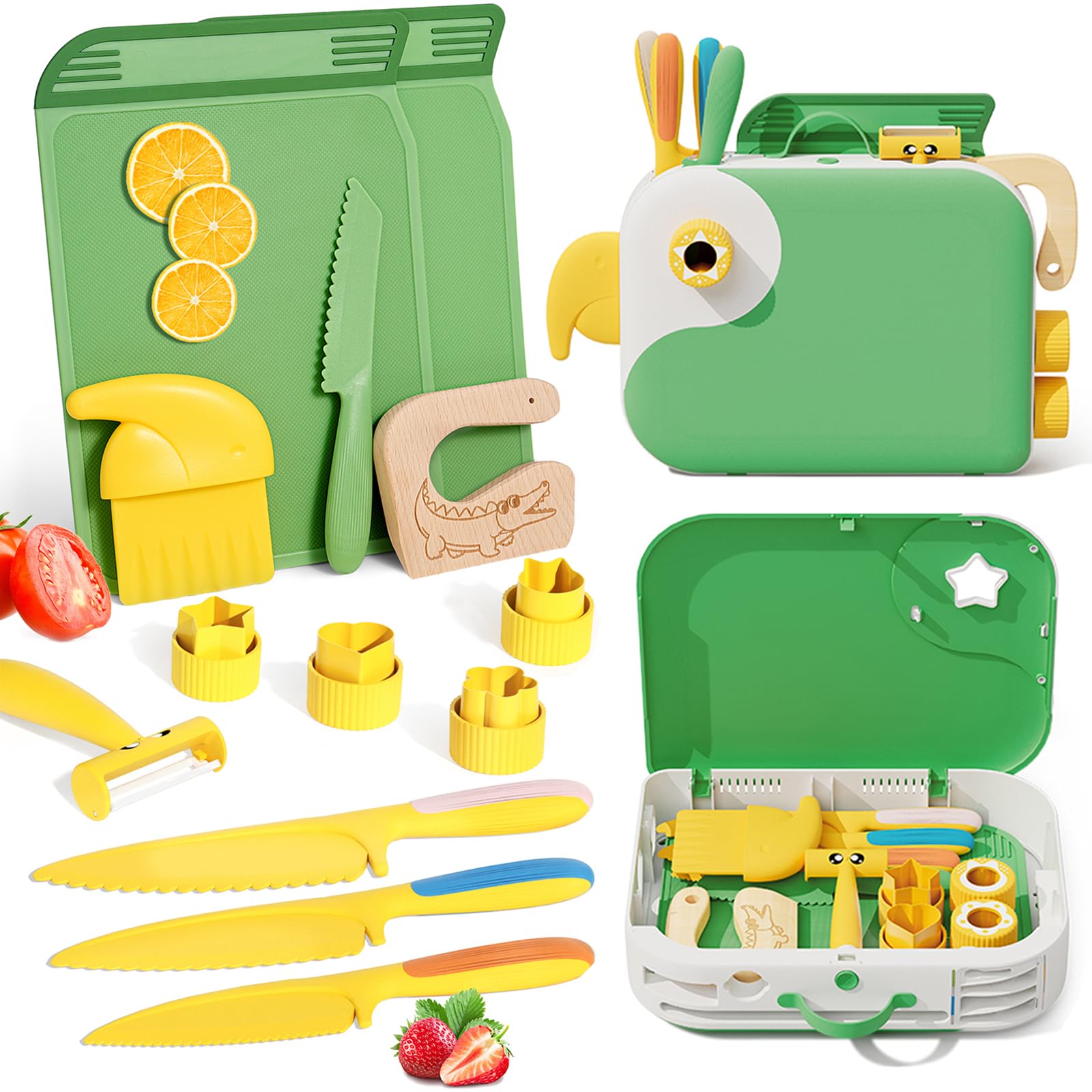
Knife safety is paramount, especially for individuals with reduced fine motor control. The Lullulii Kids Montessori Kitchen Knife Set offers a blunt‑tip, ergonomically shaped blade that cuts soft foods while preventing accidental punctures. Although marketed for children, its safety‑first design makes it valuable for adults who require a reduced‑risk cutting tool.
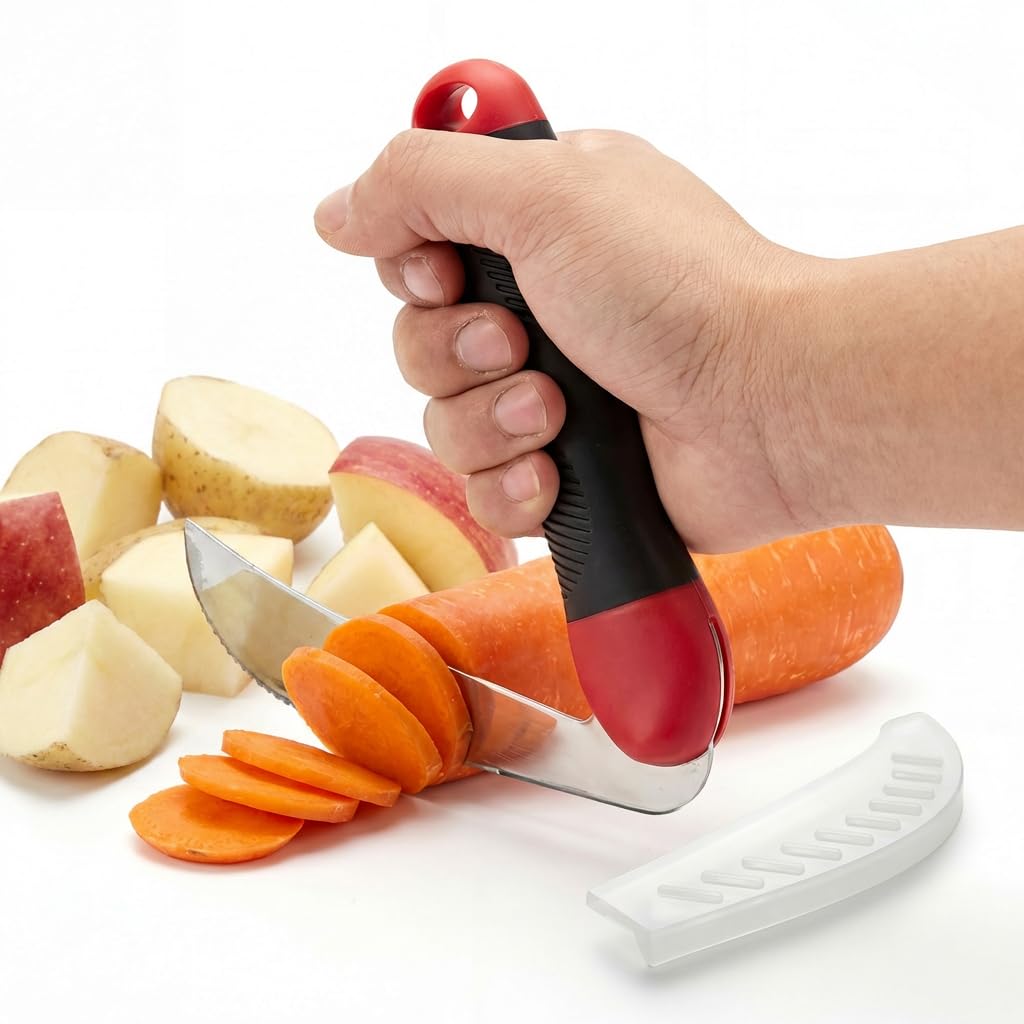
For those who experience tremors or limited grip strength, the GREENANTS Ergonomic Kitchen Knife provides an angled handle that directs force downward, reducing the need for wrist extension. The serrated blade glides through a variety of textures, minimizing the effort required to slice.
Product Recommendations Integrated into Daily Routines
Beyond knives, several tools simplify specific cooking tasks while respecting sensory preferences. The Chef'n Cob Corn Stripper allows rapid removal of corn kernels without the need for sharp knives. Its interior blades remain concealed, offering a child‑safe experience that also reduces the anxiety associated with exposed metal.
When selecting a product, consider the following criteria: safety features, ergonomic design, durability, and user reviews. The Lullulii set holds a rating of 4.7 out of 5 based on 178 reviews, indicating high satisfaction among parents and educators. The Chef'n Cob Corn Stripper carries a 4.2 rating from over 9,000 reviewers, reflecting consistent performance across households. The GREENANTS knife, while rated lower at 3.9 from five reviews, addresses a niche need for adaptive cutting solutions.
Integrate these tools into a weekly cooking schedule. For example, allocate Monday for a vegetable stir‑fry using the GREENANTS knife for chopping carrots and bell peppers. Reserve Wednesday for a corn‑based salad, employing the Chef'n Cob Corn Stripper to quickly harvest kernels. Use the Lullulii knives for snack preparation, such as slicing soft cheese or fruit, to reinforce fine‑motor practice.
Comparison and Selection Guide
| Feature | Lullulii Kids Montessori Kitchen Knife Set | Chef'n Cob Corn Stripper | GREENANTS Ergonomic Kitchen Knife |
|---|---|---|---|
| Primary Function | Safe cutting of soft foods | Efficient corn kernel removal | One‑handed slicing for limited grip |
| Safety Design | Blunt tip, food‑grade plastic | Blades concealed inside housing | Angled ergonomic handle, protective blade cover |
| Number of Pieces | 13 (including storage box) | 1 tool | 1 knife with cover |
| Price (USD) | 35.99 | Not listed (price varies) | 18.72 |
| Average Rating | 4.7/5 (178 reviews) | 4.2/5 (9,073 reviews) | 3.9/5 (5 reviews) |
| Best For | Individuals needing a very safe cutting tool | Those who regularly prepare corn dishes | Users with arthritis or limited hand strength |
When deciding which product to purchase, assess personal cooking habits and physical abilities. If the primary concern is preventing accidental cuts, the Lullulii set is the most protective option. If corn is a staple in the diet, the Chef'n Cob Corn Stripper saves time and reduces reliance on knives. For individuals with chronic hand pain, the GREENANTS knife offers a mechanical advantage that compensates for reduced grip.
Best Practices and Tips Beyond Products
- Label all pantry items with both text and pictograms to support visual processing.
- Use silicone pot holders and oven mitts with textured grips to improve tactile feedback.
- Maintain a clutter‑free countertop; store rarely used appliances in upper cabinets.
- Pre‑measure ingredients into portion‑size containers to reduce counting steps during cooking.
- Implement a “clean as you go” routine; a small basket for dirty utensils prevents buildup of visual noise.
- Schedule cooking sessions during times of day when sensory thresholds are lowest, typically mid‑morning or early evening.
In addition, consider using a voice‑activated smart assistant to set timers, read recipes aloud, and control lighting. This hands‑free approach minimizes the need to shift attention between devices, thereby preserving focus on the task at hand.
Frequently Asked Questions
- How can I reduce the sound of a dishwasher for sensory comfort? Choose a dishwasher with a “quiet” cycle, typically rated below 45 decibels, and run it during periods when ambient noise is already high, such as when a television is on.
- What is the safest way to handle hot pans without a glove? Use silicone‑coated handles that remain cool to the touch, and employ a pot‑holder with a non‑slip surface to maintain a secure grip.
- Are there alternatives to traditional knives for chopping herbs? Yes, kitchen shears with rounded tips can snip herbs quickly, and they present a lower risk of accidental cuts.
- Can I use the Lullulii knife set for adult meals? Absolutely; the blunt‑tip design is suitable for cutting soft items such as ripe tomatoes, bananas, and soft cheeses, making it ideal for light meals and snack preparation.
- How often should I replace the blade cover on the GREENANTS knife? The protective cover should be inspected monthly; replace it if the latch becomes loose or if any cracks appear that could expose the blade.
- What storage solution works best for a small apartment kitchen? Stackable, clear plastic bins with snap‑on lids keep ingredients visible while protecting them from dust, and they occupy minimal floor space.
- Is it necessary to have a separate cutting board for each food type? Using color‑coded cutting boards (e.g., green for vegetables, red for meat) reduces cross‑contamination and provides a visual cue that supports executive planning.
Conclusion
Achieving kitchen independence as an autistic adult requires a blend of sensory‑aware environmental design, structured routines, and adaptive tools. By implementing the strategies outlined in this guide, one can reduce anxiety, enhance safety, and cultivate confidence in meal preparation. The curated product recommendations—such as the Lullulii Kids Montessori Kitchen Knife Set, Chef'n Cob Corn Stripper, and GREENANTS Ergonomic Kitchen Knife—serve to bridge gaps between ability and aspiration. With thoughtful planning and consistent practice, the kitchen can become a space of empowerment rather than overwhelm.
Products Featured in This Guide
Lullulii Kids Montessori Kitchen Knife Set
Price: $35.99
Rating: 4.7 out of 5 (178 reviews)
Featured because it provides a blunt‑tip, ergonomically sized blade that ensures safe cutting of soft foods, making it ideal for individuals who require reduced‑risk kitchen tools.
Chef'n Cob Corn Stripper
Rating: 4.2 out of 5 (9,073 reviews)
Featured because it enables rapid, safe removal of corn kernels without exposing sharp blades, thereby reducing sensory stress and simplifying a common cooking task.
GREENANTS Ergonomic Kitchen Knife
Price: $18.72
Rating: 3.9 out of 5 (5 reviews)
Featured because its angled handle and protective blade cover support users with arthritis or limited hand strength, allowing one‑handed, controlled slicing.