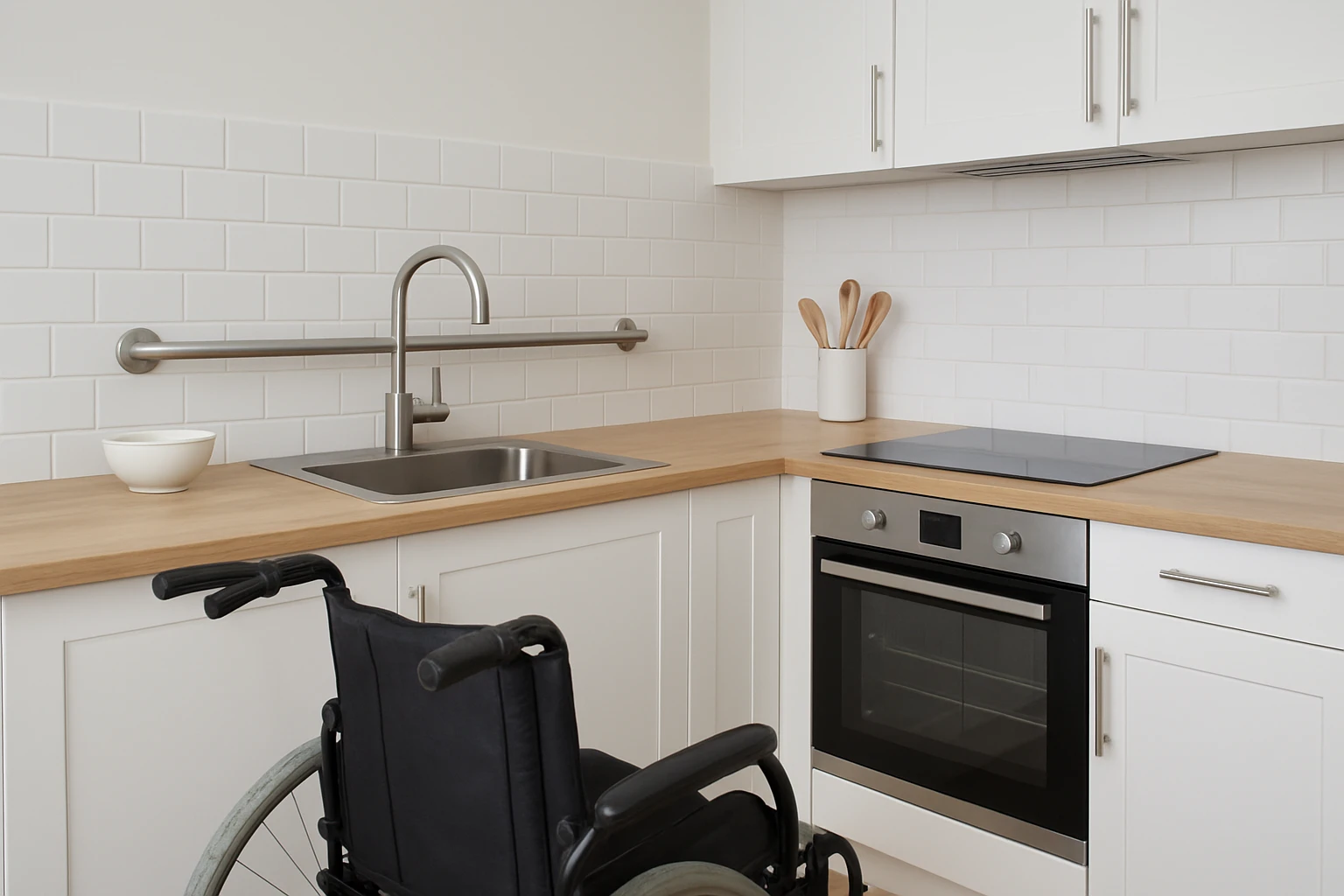
Renters' Guide: Budget Kitchen Modifications for Mobility Issues — Affordable, Renter‑Friendly Accessibility Upgrades
Introduction
Many renters face the challenge of adapting a temporary living space to meet mobility needs without violating lease agreements or incurring permanent costs. This guide explains how to identify low‑cost, non‑permanent modifications that increase safety and independence in the kitchen. Readers will learn essential design concepts, discover product solutions that require no drilling or permanent fixtures, and receive step‑by‑step advice for implementation. By the end of the article, renters will possess a clear roadmap for creating an accessible kitchen on a modest budget.
Background and Context
Mobility limitations can stem from arthritis, age‑related strength loss, or temporary injuries, and they often affect routine tasks such as opening jars, reaching for utensils, or maintaining balance near the stove. In rental properties, landlords typically restrict structural changes, making it essential to rely on portable or easily removable accessories. Understanding the principles of universal design—such as clear floor space, lever‑type hardware, and tactile contrast—helps renters select modifications that are both effective and lease‑compliant. Additionally, awareness of safety standards, such as the Americans with Disabilities Act (ADA) recommendations for reach ranges (15‑48 inches from the floor), informs smart placement of tools and equipment.
Key Strategies for Budget Kitchen Modifications
Effective kitchen adaptations fall into three broad categories: ergonomic tools, organization enhancements, and supportive fixtures. Each category addresses a distinct barrier and can be implemented with minimal expense. The following sections describe the strategies, provide actionable examples, and recommend products that complement the approach.
1. Ergonomic Tools for Easier Handling
Lever‑type devices replace the need for excessive grip strength, allowing users to open containers with minimal effort. One of the most common frustrations for individuals with limited hand strength is stubborn jar lids. The Bloss Anti‑Skid Jar Opener offers a rubber‑coated, lever‑action grip that accommodates eight circular opening sizes, ensuring a secure hold on a wide variety of containers. Priced at $5.99, it carries a 4.3‑star rating from 1,978 reviews, indicating reliable performance. Its dishwasher‑safe construction and hook‑mount design make it both hygienic and easy to store, eliminating clutter in cramped cabinets.
Other ergonomic accessories include easy‑turn can openers, weighted cutting boards, and silicone pot holders that reduce the need for fine motor control. When selecting tools, renters should prioritize items that are lightweight, easy to clean, and do not require permanent installation.
2. Organization Enhancements to Minimize Reach
Rearranging kitchen layout can dramatically reduce the distance a user must travel to retrieve essential items. Pull‑out shelves, tiered spice racks, and magnetic knife strips attach to existing cabinet doors or walls without drilling, preserving the original surface. By positioning frequently used utensils at waist height (approximately 36‑40 inches), renters can avoid bending or stretching, which lowers the risk of falls.
Clear labeling with high‑contrast stickers further assists users with visual impairments, while transparent containers allow quick identification of contents. The goal is to create a logical flow that requires no more than two steps to move from preparation to cooking.
3. Supportive Fixtures for Stability
Stability near the sink, stove, and countertop is essential for individuals who experience balance issues. While permanent grab bars are not permitted in most leases, portable, suction‑cup or adhesive‑backed bars provide a safe alternative. For bathroom environments, the Tesuchan 12‑Inch Bathroom Grab Bars demonstrate the durability and versatility that can be translated to kitchen use when placed on tile or smooth countertops. Although designed for showers, the bars feature non‑slip silicone grips, stainless‑steel construction, and a load capacity of up to 500 pounds. They are priced at $17.99 and hold a 4.7‑star rating from 1,989 reviews, underscoring their reliability.
Renters can secure these bars with the included hardware or use strong double‑sided mounting pads for temporary placement. When positioned near the stove or sink, they serve as a steady handhold while stirring, chopping, or washing dishes.
Comparison and Selection Guide
| Feature | Bloss Anti‑Skid Jar Opener | Tesuchan 12‑Inch Grab Bar |
|---|---|---|
| Primary Use | Jar, bottle, and cap opening | Support and balance assistance |
| Price | $5.99 | $17.99 |
| Rating (out of 5) | 4.3 (1,978 reviews) | 4.7 (1,989 reviews) |
| Installation | No installation; hangs on hook | Mounts with screws or adhesive pads; removable |
| Durability | Rubber coating resists wear; dishwasher safe | Stainless steel, rust‑proof for up to 10 years |
| Space Required | Compact; fits in drawer or hangs | 12‑inch length; requires flat surface |
When choosing between these products, renters should consider the specific barrier they aim to address. The jar opener excels at reducing hand‑strength demands, while the grab bar provides overall stability for multiple kitchen tasks. Both items are affordable, removable, and highly rated, making them suitable for most rental situations.
Best Practices & Tips for Implementation
- Assess the kitchen layout before purchasing; identify high‑traffic zones where reach or balance is most challenging.
- Prioritize portable solutions that can be removed without leaving marks, such as suction‑cup hooks, adhesive‑backed mats, and freestanding organizers.
- Test each product in the intended location to ensure it does not shift under load; safety is paramount.
- Maintain clear floor space of at least 30 inches wide in front of appliances to allow wheelchair or walker passage.
- Label drawers and cabinets with tactile or high‑contrast stickers to aid users with visual impairments.
- Regularly inspect removable fixtures for wear, especially silicone grips on grab bars, and replace them as needed.
- Communicate with the landlord about any modifications; most landlords appreciate improvements that do not alter the property.
Frequently Asked Questions
- Can I install a grab bar without drilling? Yes, many grab bars, including the Tesuchan model, offer adhesive mounting pads or suction cups that hold securely on smooth surfaces. For tiled walls, double‑sided mounting tape rated for heavy loads can be an effective alternative.
- What is the ideal height for placing ergonomic tools? Tools should be positioned within the user’s comfortable reach zone, typically between 36 and 48 inches from the floor. This range accommodates most seated and standing users without excessive bending.
- Will the jar opener work on glass containers? The anti‑skid rubber edges provide a firm grip on both plastic and glass lids, and the lever action reduces the torque required to break the seal.
- How can I prevent kitchen floor clutter that creates trip hazards? Use wall‑mounted hooks, magnetic strips, and tiered organizers to keep items off the floor. Store rarely used appliances in cabinets rather than on countertops.
- Are there any fire‑safety concerns with portable grab bars near the stove? Grab bars made of stainless steel are non‑combustible and can be placed a safe distance (at least 12 inches) from open flames or heat sources. Always follow the manufacturer’s temperature guidelines.
- Do these products qualify for insurance or disability assistance programs? Many assistive‑technology programs reimburse for ergonomic kitchen tools, especially when a medical professional provides a prescription. Verify eligibility with the specific program.
- How often should I replace the silicone grips on the grab bar? Silicone can degrade after prolonged exposure to water and cleaning agents. Replacing the grips annually ensures optimal slip resistance.
Conclusion
Renters can achieve a safer, more accessible kitchen without violating lease terms or spending a fortune. By focusing on ergonomic tools, smart organization, and removable supportive fixtures, individuals with mobility challenges gain independence and confidence in daily cooking tasks. The recommended products—Bloss Anti‑Skid Jar Opener and Tesuchan 12‑Inch Bathroom Grab Bars—illustrate how affordable, high‑quality accessories can address specific barriers while remaining renter‑friendly. Implementing the best‑practice tips and consulting the comparison guide will help renters select the right solutions for their unique needs.
Products Featured in This Guide
Bloss Anti‑Skid Jar Opener
Price: $5.99 | Rating: 4.3/5 (1,978 reviews)
Featured because it provides a low‑cost, lever‑type solution for opening stubborn lids, reducing hand‑strength requirements, and it is dishwasher safe and hook‑mountable, making it ideal for renters.
Tesuchan 12‑Inch Bathroom Grab Bars
Price: $17.99 | Rating: 4.7/5 (1,989 reviews)
Featured because its non‑slip silicone grips and sturdy stainless‑steel construction provide reliable support for balance‑related challenges, and it can be installed temporarily without permanent modifications.