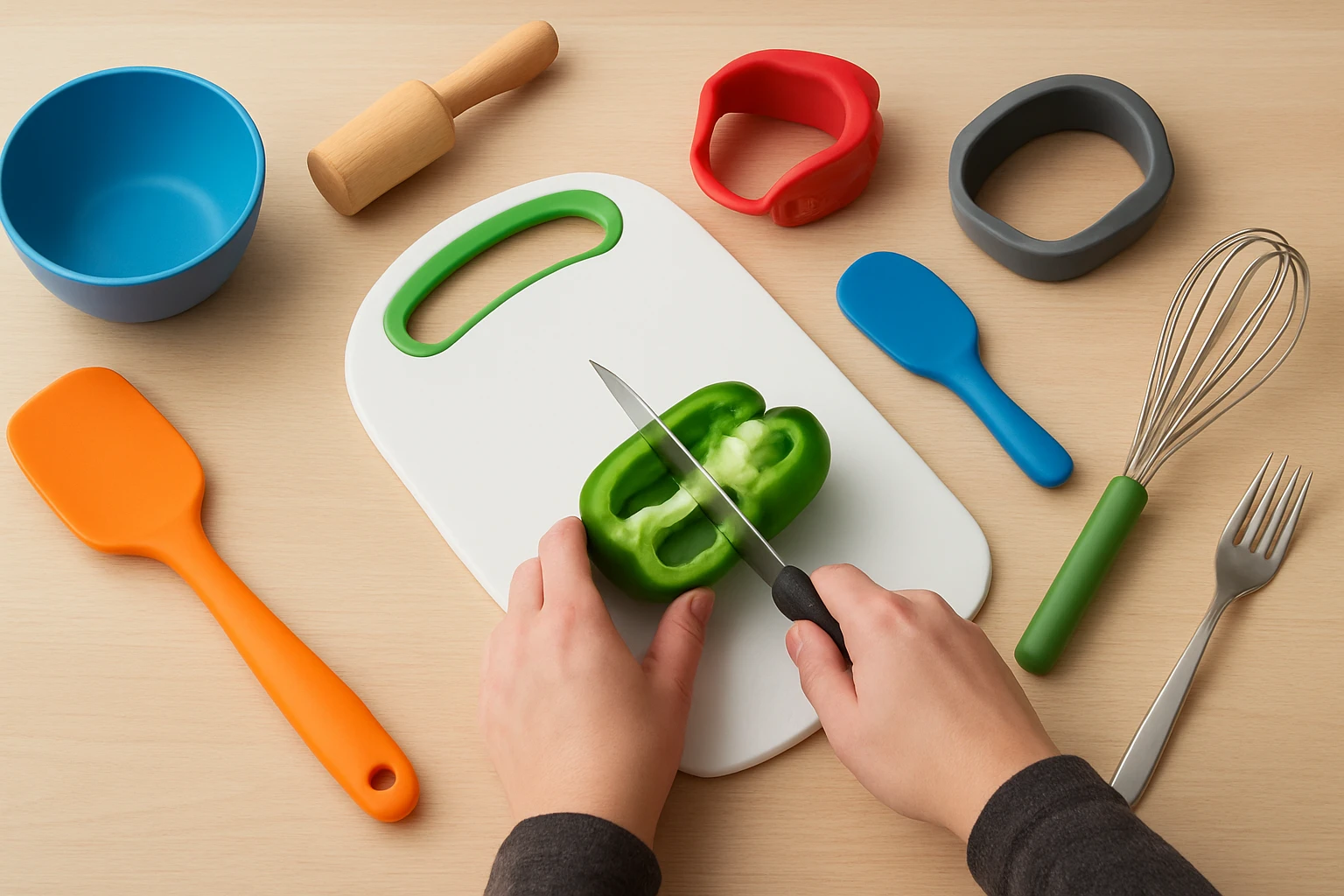
The Ultimate Guide to Sensory‑Friendly Kitchen Tools for Autism: Practical Picks for Comfort, Safety, and Independence
Introduction
Individuals on the autism spectrum often experience heightened sensory sensitivities that can make everyday kitchen tasks challenging. This guide explores the underlying reasons for sensory discomfort in the kitchen and presents practical strategies to create a more accommodating environment. Readers will learn about key sensory‑friendly design principles, discover product recommendations that support independence, and acquire actionable tips for safe food preparation. By the end of this article, one will possess a comprehensive framework for selecting tools that promote comfort, safety, and autonomy for autistic users of all ages.
Background and Context
Sensory processing differences can affect tactile perception, auditory tolerance, and visual clarity. In a kitchen setting, loud appliances, sharp textures, and unstable utensils may trigger stress responses. Research indicates that adaptive equipment can reduce the cognitive load associated with these stimuli, allowing the user to focus on the task rather than the discomfort. Moreover, fine‑motor challenges such as reduced grip strength or tremors are common among autistic individuals who also have co‑occurring conditions like dyspraxia. Understanding these factors is essential before selecting tools that address both sensory and motor needs.
Three foundational concepts guide the selection of sensory‑friendly kitchen tools: (1) tactile softness, (2) stability and control, and (3) ease of cleaning to prevent lingering odors. Materials such as silicone, elastic fabrics, and bamboo provide gentle contact while maintaining durability. Adjustable straps and non‑slip bases increase stability, reducing the likelihood of accidental spills. Finally, dishwasher‑safe or wipe‑clean surfaces minimise the sensory burden of lingering smells.
Adaptive Utensil Supports
For many autistic users, holding a fork or spoon can be a source of tactile overload, especially when grip strength is limited. The Shiyode Elastic Utensil Cuff offers an elastic strap that secures utensils to the wrist, providing a stable platform for self‑feeding. Each cuff measures 1.2 inches in width, a dimension that balances firmness with comfort. The elastic band stretches from 8 inches to 12 inches, allowing it to accommodate a range of hand sizes from children to adults. The product includes two cuffs per package, and utensils are not required to be purchased separately.
Key specifications include a rating of 4 out of 5 stars based on 19 customer reviews, a price of $12.99, and availability in stock. Reviewers highlight the cuff’s ability to assist users with Parkinson’s disease, arthritis, or post‑stroke tremors, indicating its broader applicability for individuals with limited hand mobility. The small pocket on each cuff holds the utensil securely, preventing slippage during the act of bringing food to the mouth. Cleaning is straightforward; a simple rinse or wipe removes residue, supporting hygiene without additional sensory stress.
In practice, the cuff can be attached to a spoon, fork, or even a small brush for oral hygiene. Its elastic nature ensures that pressure is evenly distributed across the wrist, reducing the risk of pressure points. For families seeking to foster independence, the cuff serves as an assistive device that encourages self‑feeding while maintaining safety.
One‑Handed Cutting Solutions
Food preparation often requires two hands, which can be prohibitive for autistic individuals with limited dexterity or unilateral motor impairment. The Lanties One‑Handed Cutting Board addresses this challenge by integrating a non‑slip surface, bread‑stop spikes, and interchangeable blades that can be operated with a single hand. Constructed from natural bamboo, the board provides a sturdy yet lightweight platform that is gentle on the auditory system, producing minimal noise when sliced.
Product details include a price of $35.99, a rating of 3.4 out of 5 stars from 13 reviews, and limited stock of six units. The kit contains one cutting board, six interchangeable stainless‑steel blades, and a one‑handed vegetable peeler. Silicone anti‑slip feet keep the board stable on countertops, while magnetic blade protectors safeguard the user when the blades are not in use. The board’s design incorporates storage holes that allow the blades to be tucked away safely, reducing visual clutter and the risk of accidental contact.
Users can secure a piece of bread or a vegetable using the stainless‑steel spikes, then glide the blade across the food with a single motion. This reduces the need for repetitive gripping, which can be overwhelming for individuals with sensory sensitivities. After use, the bamboo surface can be wiped clean with a damp cloth, and the metal components should be dried promptly to prevent rust, as recommended by the manufacturer.
Comparison and Selection Guide
When choosing between adaptive feeding and cutting tools, one must consider the primary activity, the user’s motor abilities, and the sensory environment. The table below summarises the core attributes of the two featured products.
| Feature | Shiyode Elastic Utensil Cuff | Lanties One‑Handed Cutting Board |
|---|---|---|
| Primary Function | Assist self‑feeding by securing utensils to the wrist | Enable one‑handed chopping, slicing, and peeling |
| Material | Elastic fabric strap with small fabric pocket | Natural bamboo board with silicone feet and stainless‑steel blades |
| Adjustability | Length 8–12 inches, width 1.2 inches | Interchangeable blades, adjustable board angle via spikes |
| Price | $12.99 | $35.99 |
| Customer Rating | 4 / 5.0 (19 reviews) | 3.4 / 5.0 (13 reviews) |
| Ideal User Profile | Children, elderly, or adults with tremor, weak grip, or sensory aversion to utensil handling | Individuals with unilateral motor limitations, amputations, or sensory sensitivities to loud chopping sounds |
For users whose primary challenge is self‑feeding, the Shiyode cuff provides a low‑cost, easy‑to‑implement solution. For those who need to engage in food preparation independently, the Lanties board offers a comprehensive system that reduces the need for bilateral coordination.
Best Practices and Tips for Sensory‑Friendly Kitchen Use
- Introduce new tools gradually; allow the user to explore texture and weight before expecting functional use.
- Maintain a clutter‑free countertop; visual overload can increase anxiety during cooking.
- Use soft lighting and minimise background noise; consider playing calming instrumental music at low volume.
- Regularly inspect elastic straps and bamboo surfaces for wear; replace worn components to preserve safety.
- Pair adaptive tools with visual step‑by‑step guides; visual schedules reinforce independence.
- Involve the user in cleaning routines; tactile familiarity with cleaning materials can reduce aversion.
Frequently Asked Questions
1. Can the Shiyode cuff be used with any type of utensil?
Yes, the cuff’s pocket is designed to hold standard forks, spoons, and even small brushes. The width of 1.2 inches accommodates most adult and child utensils.
2. How does the Lanties board stay in place on a slippery countertop?
The board features silicone anti‑slip feet that create friction with the surface, preventing movement during cutting. The spikes also anchor food items, reducing the need for excessive force.
3. Is the elastic material of the Shiyode cuff hypoallergenic?
The cuff is made from a soft, breathable fabric that is generally well‑tolerated by sensitive skin. Users with known fabric allergies should test a small area before full use.
4. How often should the bamboo cutting board be oiled?
Applying a food‑grade mineral oil once a month preserves the wood’s integrity and prevents drying, which could otherwise produce a rough texture.
5. Can the interchangeable blades be used for meat preparation?
The blades are primarily intended for vegetables, fruit, and bread. For meat, a dedicated meat‑specific knife is recommended to maintain hygiene and blade sharpness.
6. What age range is appropriate for the Shiyode cuff?
Because the strap adjusts from 8 to 12 inches, the cuff is suitable for children as young as three years old up to adults with limited hand function.
7. Does the Lanties board require assembly?
No assembly is required; the board arrives ready to use, and the blades attach via a simple magnetic mechanism.
Conclusion
Creating a sensory‑friendly kitchen environment involves thoughtful selection of tools that address tactile, auditory, and motor challenges. The Shiyode Elastic Utensil Cuff and Lanties One‑Handed Cutting Board exemplify products that combine ergonomic design with practical functionality, thereby fostering independence for autistic individuals. By applying the best‑practice strategies outlined in this guide, caregivers and educators can empower users to engage confidently in daily meal preparation and consumption, enhancing overall quality of life.
Products Featured in This Guide
Shiyode Elastic Utensil Cuff
Price: $12.99 | Rating: 4 / 5.0 (19 reviews)
Featured because it provides a simple, adjustable solution for self‑feeding, reducing tactile overload and supporting users with weak grip or tremor.
Lanties One‑Handed Cutting Board
Price: $35.99 | Rating: 3.4 / 5.0 (13 reviews)
Featured because it enables one‑handed food preparation with a stable, non‑slip surface, supporting independence for users with limited hand mobility.