Introduction
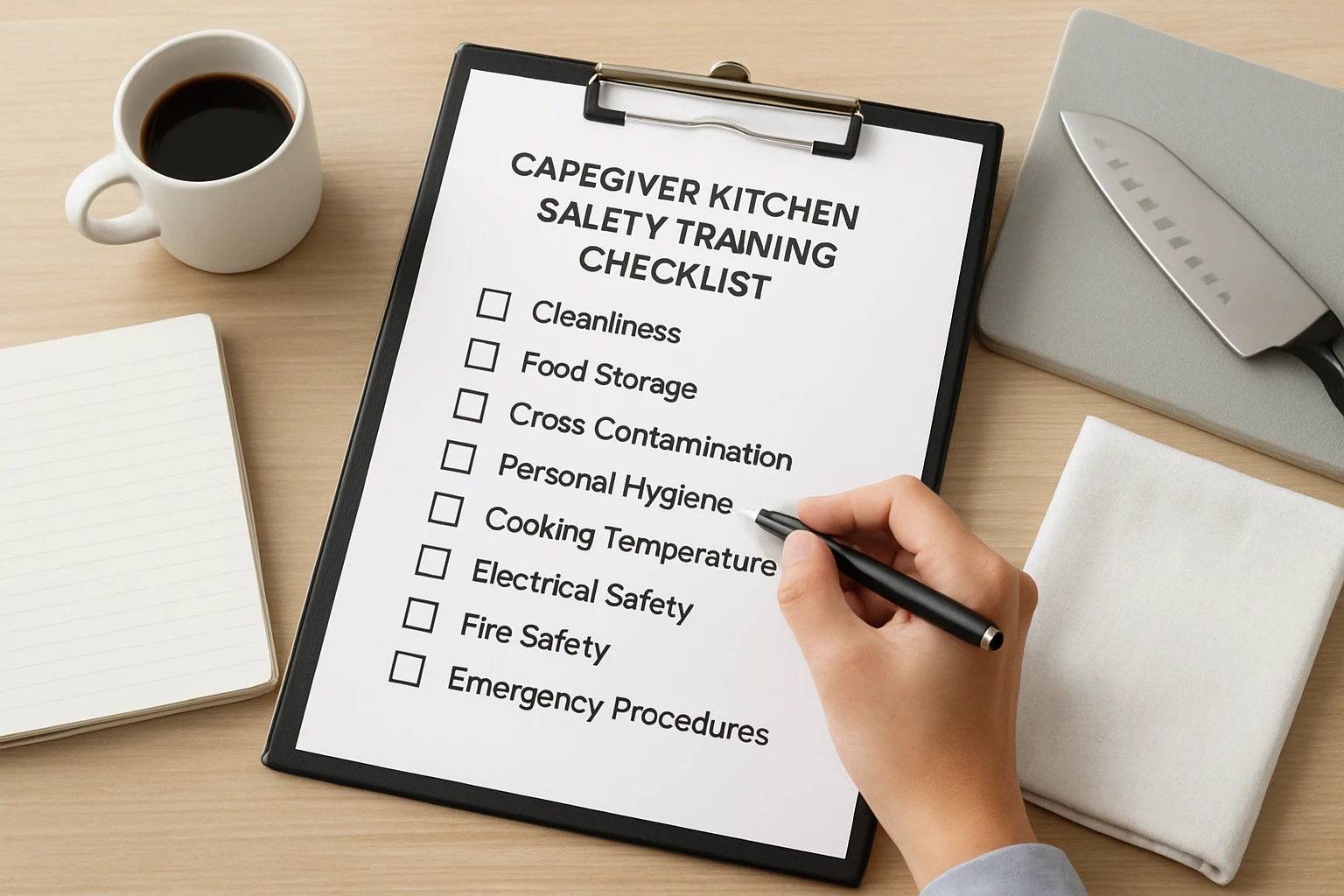
One will discover how to design a caregiver kitchen safety training checklist that protects residents, complies with health regulations, and streamlines daily operations. This guide explains each phase of the process, from initial risk assessment to the final printable template. By following the instructions, a caregiver can reduce food‑borne illness, improve staff confidence, and demonstrate accountability to licensing agencies. The value of a structured checklist lies in its ability to capture critical tasks, provide clear documentation, and create a culture of continuous improvement within any home‑based or assisted‑living kitchen environment.
What You'll Need
- Writing materials or a digital word processor
- Access to a printer for the final checklist
- Reference documents such as local health department guidelines
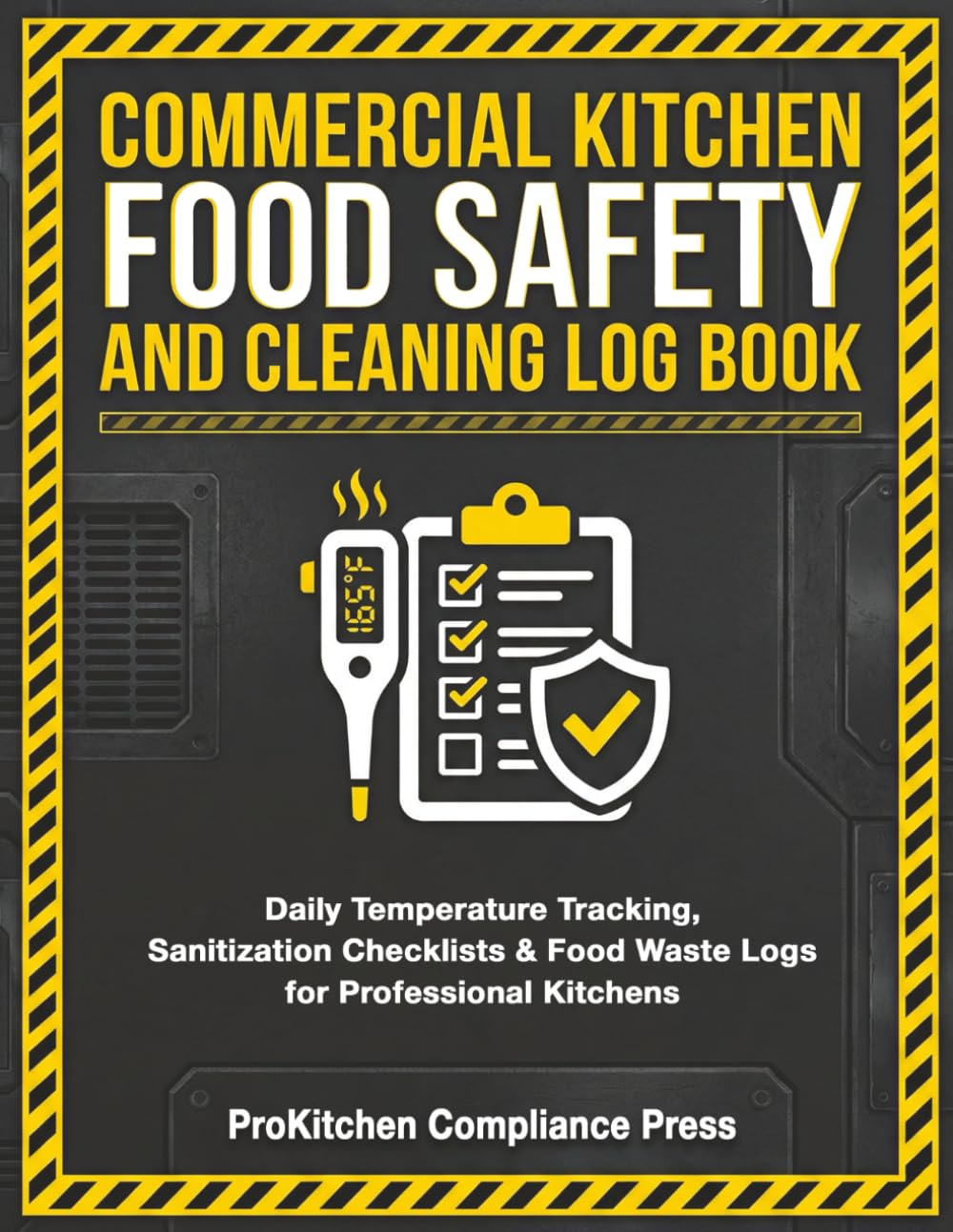
- ProKitchen Food Safety Log Book – a ready‑made log for temperature tracking, sanitization, and waste monitoring
- DayMark Dishwashing Poster – a laminated visual reminder of proper dishwashing procedures in English and Spanish
Step 1: Conduct a Kitchen Hazard Assessment
The first major step is to evaluate the physical layout, equipment, and workflow of the kitchen. One should walk through each station, noting potential cross‑contamination points, temperature‑sensitive storage areas, and cleaning zones. Document observations in a notebook or on a spreadsheet. This assessment creates the foundation for the checklist because it identifies the specific tasks that must be monitored. Using the ProKitchen Food Safety Log Book at this stage allows the caregiver to record baseline temperature readings and sanitation checks, establishing a reference point for future audits. The log book costs $9.99, holds a rating of 4.4 out of 5, and includes daily temperature logs, sanitization checklists, monthly audits, and food waste tracking.
Step 2: Define Core Safety Categories
After the hazard assessment, one should group tasks into logical categories such as Temperature Control, Personal Hygiene, Equipment Sanitation, and Waste Management. Categorization simplifies training because staff can focus on one area at a time. For each category, write a short description of the objective and the measurable actions required. The DayMark Dishwashing Poster fits naturally within the Equipment Sanitation category; it visually reinforces the correct sequence of rinsing, washing, sanitizing, and air‑drying dishes. Priced at $12.66 with a rating of 4.1 out of 5, the poster is laminated for durability, complies with FDA/USDA regulations, and presents instructions in both English and Spanish, making it accessible to multilingual staff.
Step 3: Draft Specific Checklist Items
Within each safety category, create concise checklist items that are observable and verifiable. For example, under Temperature Control, an item might read, "Verify refrigerator temperature is between 33°F and 40°F before food receipt." Under Personal Hygiene, include, "Ensure hands are washed for at least 20 seconds before handling ready‑to‑eat items." Use action verbs and avoid ambiguous language. One can record these items directly in the ProKitchen Food Safety Log Book using its dedicated sections for daily logs and monthly audits. This approach eliminates the need for separate paperwork and keeps all safety records in a single, organized location.
Step 4: Incorporate Visual Aids and Reference Materials
Visual cues improve compliance, especially for staff who learn best through observation. Hang the DayMark Dishwashing Poster in the dishwashing area, near the sink, and the refrigerator temperature chart near the storage unit. The poster’s laminated surface resists spills and cleaning chemicals, ensuring longevity. By placing these aids at the point of use, caregivers reinforce correct behavior each time staff perform the related task. The poster measures 11" by 17", fitting standard wall spaces without obstructing workflow.
Step 5: Establish Documentation Procedures
Documentation is essential for accountability and regulatory inspections. One should assign a responsible staff member to complete the checklist at the start of each shift and to sign off on completed items. The ProKitchen Food Safety Log Book provides signature lines, date fields, and spaces for comments, allowing caregivers to capture deviations and corrective actions immediately. Maintaining a continuous log also creates a historical record that can be reviewed during internal audits or external inspections.
Step 6: Train Staff on the Checklist
Conduct a brief training session where the caregiver walks the team through each checklist item, demonstrates proper techniques, and explains the purpose behind each step. Use the DayMark Dishwashing Poster as a teaching aid, pointing to each headline while describing the corresponding action. Encourage questions and role‑play scenarios to reinforce learning. After training, distribute a printed copy of the checklist and place a spare log book in a convenient location for quick reference.
Step 7: Pilot the Checklist and Collect Feedback
Implement the checklist for a trial period of one to two weeks. During this time, solicit feedback from staff about clarity, practicality, and any obstacles encountered. One may notice that certain items are redundant or that additional steps are needed for new equipment. Adjust the checklist accordingly, updating the ProKitchen Food Safety Log Book entries if necessary. This iterative process ensures the final tool is both comprehensive and user‑friendly.
Step 8: Finalize and Print the Checklist Template
Once the pilot phase is complete, incorporate all revisions and produce a clean, printable template. Use a word processor to format the checklist with clear headings, bullet points, and space for signatures. Print multiple copies on durable paper or laminate them for repeated use. Keep a master copy in the ProKitchen Food Safety Log Book for reference, and store printed checklists in a binder near the kitchen entrance for easy access.
Tips & Pro Tips
- Schedule a monthly review of the log book to identify trends such as recurring temperature excursions.
- Rotate the DayMark Dishwashing Poster to the opposite side of the sink every six months to keep the visual fresh.
- Use color‑coded pens for different categories (e.g., red for temperature, blue for hygiene) to speed up visual scanning.
- Integrate the checklist into electronic scheduling software if digital documentation is preferred.
- Always store the log book in a dry, fire‑rated cabinet to protect records from environmental damage.
Troubleshooting
| Problem | Solution |
|---|---|
| Staff forget to complete the checklist. | Place a reminder sticker on the kitchen door and assign a shift leader to verify completion before the shift ends. |
| Temperature readings are out of range. | Check the refrigerator’s door seal, calibrate the thermometer, and document corrective actions in the log book. |
| Poster becomes damaged. | Because the DayMark Dishwashing Poster is laminated, it can be wiped clean; if tearing occurs, replace it promptly to maintain visual guidance. |
Conclusion
By following these eight steps, one can create a robust caregiver kitchen safety training checklist that enhances food safety, supports staff education, and satisfies regulatory requirements. The integration of the ProKitchen Food Safety Log Book and the DayMark Dishwashing Poster provides practical tools that streamline documentation and reinforce best practices. Continuous monitoring, periodic reviews, and staff engagement will ensure that the checklist remains an effective instrument for protecting vulnerable populations in any caregiving environment.
Products Mentioned in This Guide
Frequently Asked Questions
What is the purpose of a caregiver kitchen safety training checklist?
It ensures resident safety, regulatory compliance, and consistent daily operations by documenting critical food‑handling tasks.
Which items are essential to create the checklist?
A writing tool or word processor, a printer, local health guidelines, and resources like a food‑safety log book.
How does a checklist help reduce food‑borne illness?
It prompts staff to follow proper temperature controls, sanitization, and waste procedures, minimizing contamination risks.
Can the checklist be customized for home‑based versus assisted‑living kitchens?
Yes, you can adjust tasks and frequency to match the size, equipment, and resident needs of each setting.
What documentation should be kept after using the checklist?
Maintain completed checklists, temperature logs, and any corrective actions to demonstrate accountability to licensing agencies.
